Singapore looks almost too perfect to be true. It’s one of the top family travel destinations because of its safety rules, spotlessly clean environment, kids friendly places and activities. Everyone from taxi drivers to shop vendors is polite. After Paris and Bahrain this is one of the locations I have visited that is so kid stroller friendly. Public transport is excellent once you figure out how to pay. The food over here is incredibly diverse that you could eat something different at every meal and still not run out of options. This Singapore travel guide covers all of it, the must-see sights, the best neighbourhoods, the hawker food you cannot miss, and how to get around. It gives you honest and practical knowledge.
That said, Singapore is expensive. Unlike Thailand, Malaysia, or Indonesia where budget options are everywhere, Singapore demands mindful spending.
One thing most travel articles gloss over: Singapore is hot. Relentlessly, stubbornly, sweatily hot. The humidity hits you the second you step outside and does not let go. If you are sightseeing with kids, managing the heat is as important as planning which attractions to visit.
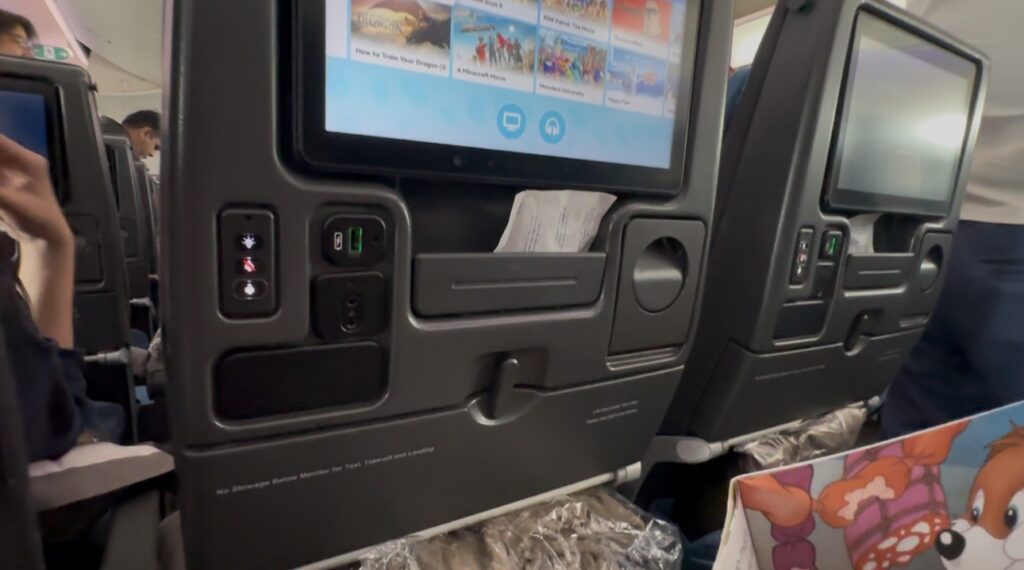
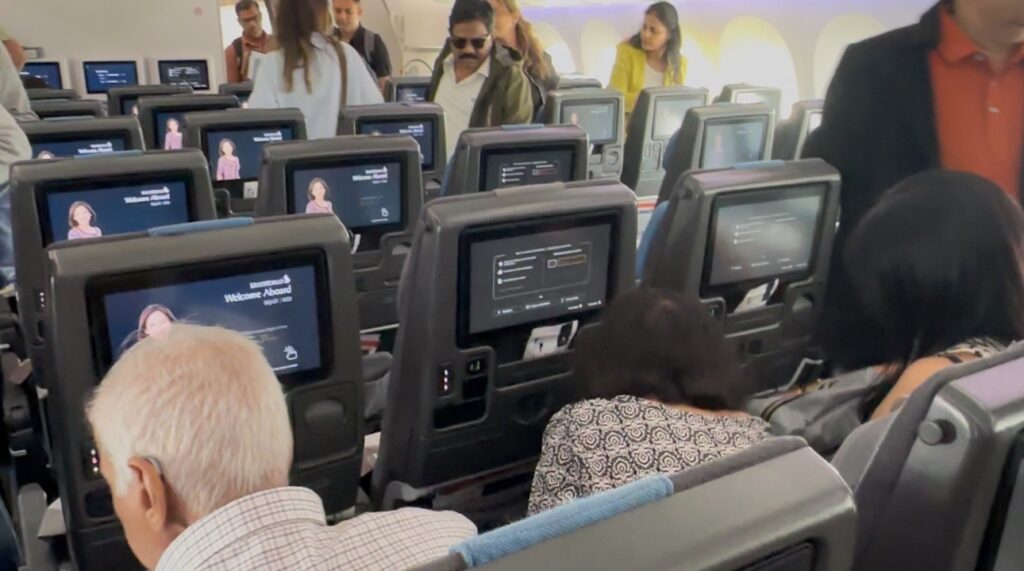
We did a 6-day family holiday in the last week of February. Our child had a 10-day school break and Singapore made perfect sense. Flights from Mumbai on Singapore Airlines were only 6 hours for 20,000 return flight, and honestly, other destinations were simply not fitting our budget at the time. Singapore did, and we are so glad it worked out that way.
| Disclaimer, there are affiliate links in this blog. If you purchase from those links, you will be supporting this website. |
Singapore Quick Facts
Location: Island city-state at the southern tip of the Malay Peninsula, Southeast Asia
Language: English is the primary language for tourism and business — no language barrier
Currency: Singapore Dollar (SGD). Approx. SGD 1.35 = USD 1. Cards are accepted almost everywhere
Climate: Tropical — hot and humid year-round. Average 30–34°C (86–93°F) daily
Safety: One of the safest cities in the world. Very low crime, excellent infrastructure
Visa: Visa-free entry for most nationalities for 30–90 days. Always verify with ICA before travelling. For Indians to get the visa done by only an authorised tourism and visa company, we got it done by Riya Tours.
Time Zone: SGT (UTC+8) — same as Hong Kong, Kuala Lumpur, and Perth
Tipping: Not customary in Singapore. Many restaurants add a 10% service charge automatically
Laws: Strict fines for littering, jaywalking, and smoking in non-designated areas. No vaping or e-cigarettes
The Singapore Survival Guide
How to Beat the Heat, Stay Energised & Explore Like a Pro
This is the section most travel guides skip entirely. Singapore’s tropical climate is not just a detail, it is a central factor in how you plan and experience every single day of your trip. Humidity regularly hits 80–90%. The sun is fierce. If you are walking between attractions, visiting open-air sites like the Chinatown, Zoo, or spending a day on Sentosa, the heat will test you especially during the afternoon.
The good news is Singapore makes it surprisingly easy to stay cool, hydrated, and fuelled. Here is everything I learned about surviving and where to look in Singapore when you are tired of walking under the open sky.
Prepare for Singapore’s Weather
Singapore sits just 1.3 degrees north of the equator, which means it has no real seasons. Singapore is hot and humid year-round. Temperatures typically hover between 28–34°C (82–93°F) during the day, with humidity making it feel several degrees warmer than the thermometer reads. Rain comes suddenly and intensely, usually in the evening, I noticed during our stay that while it brings brief relief, the humidity returns immediately after.
There is no escape from the heat outdoors. Even in the evening, temperatures rarely drop below 25°C. The only true relief is air conditioning in the MRT, shopping malls, museums, and restaurants. Smart travellers learn to use these air-conditioned spaces strategically throughout the day.
Survival Tip: Plan your outdoor exploration for early morning (before 11 AM) or late afternoon (after 4:30 PM). The midday window between 11 AM and 3 PM is the most brutal. Use this time for air-conditioned attractions like museums, aquariums, and malls.
Be snacks and water ready – For quick snacking and drinks
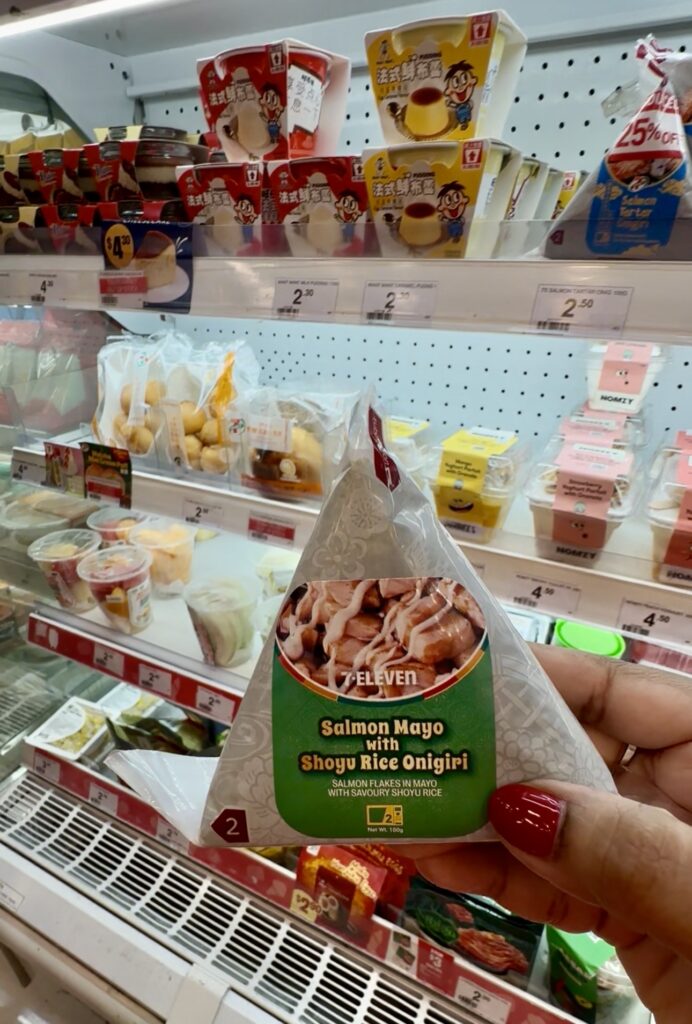
Surviving a full day out doing sightseeing in Singapore is a bit tiring. But the best part is 7 Eleven is available in many places in Singapore. Sometimes within 50 metres of the other. Many tourist places like the Singapore Zoo and Universal Studios, MRT station, and busy streets have this. And 7 Eleven has saved us a lot of money as we bought snacks, sandwiches and Onigiri(my favourite).
I bought Onigiri many times and it saved me from spiking hunger while exploring.
Unlike the 7-Elevens you might know from other countries, Singapore’s 7-Elevens stock an impressive range of fresh food, chilled snacks, and genuinely good drinks on affordable prices.
✈ Pro Tip: At big attractions like Universal Studios and the Singapore Zoo, food inside the park is expensive. Stock up at a 7-Eleven just outside the entrance before you go in. Grab some sandwiches, snacks, and cold drinks — it will save you money and queue time throughout the day.
Free Water in Singapore — Refill Points and Smart Hydration
Staying hydrated in Singapore is not just recommended — it is vital. The combination of heat, humidity, and long days of walking means your body needs far more water than you might be used to drinking at home. Dehydration comes on faster than you expect under tropical conditions, and it will ruin your day if you let it happen.
Here is the good news: Singapore takes hydration infrastructure seriously. You will find refillable water taps and water fountains at MRT stations, public parks, major attractions, and many outdoor spaces around the city. The tap water in Singapore is safe to drink directly — it meets WHO drinking water standards and is considered some of the cleanest tap water in Asia.
Survival Tip: Carry a reusable water bottle and refill it at every opportunity. Singapore’s public refill stations are clean, free, and abundant. You should never need to buy bottled water if you have a bottle with you — saving both money and plastic waste.
Your elixir to survive thirst with twist Fresh Juices, Vending Machines & Fruit Stalls
One of the most refreshing discoveries of any Singapore trip is just how many options there are for cold, fresh, natural drinks — and how easily you can find them everywhere you go.
Singapore has vending machines all over the city — at MRT stations, near hawker centres, and at tourist areas — and many of these are dedicated entirely to freshly squeezed juices. The orange juice vending machines in particular are a genuine delight. You watch the machine take a whole orange, cut it, and squeeze it fresh in front of you. The result is cold, natural, and absolutely perfect for a sweaty afternoon. We bought these often and they quickly became one of our favourite little Singapore rituals.
Beyond vending machines, Singapore has a wonderful culture of fresh fruit and juice stalls, particularly in hawker centres and along busy streets. Many of these stalls sell seasonal fruits — and during the heat of a Singapore summer, you will find vendors cutting open watermelon, slicing pineapple, and making sugarcane juice at street-side stalls. These are not tourist traps — they are exactly what the locals rely on too, and for good reason.
- Watermelon: Cold, sweet, and one of the most hydrating foods you can eat. Grab a cup of cut watermelon from a fruit stall for the price of a coffee.
- Sugarcane juice: Pressed fresh, served over ice, and incredibly refreshing. A staple at hawker centres.
- Coconut water: Fresh young coconuts are available at many markets and stalls. Natural electrolytes in their purest form.
- Starfruit juice (Carambola): A distinctly Singaporean fresh juice, mild and slightly sweet. Find it at traditional juice stalls.
Survival Tip: When you see a fresh fruit stall or juice cart, stop. Even if you are not immediately thirsty. In Singapore’s heat, your body’s thirst signal lags behind your actual hydration needs. Drink proactively, not reactively.
Don’t underestimate the power of Strollers & Trolleys for kids at the Zoo and Universal Studios
If you are visiting Singapore with children — or even if you are not — this is one of the most practical pieces of advice in this entire guide. Singapore Zoo and Universal Studios Singapore are both enormous. We are not talking about a pleasant stroll around a compact park. These are full-day, multi-kilometre venues that will drain even the fittest adult in the heat. For children, they can quickly shift from magical to overwhelming.
Both the Singapore Zoo and Universal Studios offer stroller and trolley rentals at the entrance, and renting one is one of the best decisions you can make for a family visit. Here is why:
- For children: The strollers are covered at the top, providing shade from the direct sun. Kids can sit comfortably, rest when they need to, and avoid the complete exhaustion that comes from walking for six or more hours in tropical heat. A rested child is a happy child, and a happy child makes for a much better day.
- For parents: You can move efficiently between attractions without managing tired, overheated little legs. The strollers are easy to push, navigate the park paths well, and can carry your bags, snacks, and water bottles so you are not hauling everything yourself.
- For everyone’s energy levels: When children are not walking the entire distance, they conserve energy for the things that actually matter — the rides, the animal encounters, the shows. Parents conserve energy too, because they are not carrying a child or managing meltdowns caused by exhaustion and heat.
Our Stroller Experience:
I have a seven-year-old here, so I never thought I would need one. I had no idea about the size of the zoo and Universal Studios’ lengthy lines and since I stay indoors usually during afternoon times I never thought that Singapore would be that hot in the afternoon. In the zoo, by the time I realized I needed a stroller, it was too late. We were literally in the middle of the park and strollers were rented at the entrance only. Anyways, you could use the tram in the zoo and make multiple stops at the Universal Studios chilled cafés every now and then. But we were still tired. Walking. This vacation was after our last pleasant weather vacation in Baku.
Our son had a fever for 2 days and thanks to 7 Eleven I found some medicine for the kids so my son rested the last two days in the hotel. I think he suffered from exhaustion and a bit of a heat stroke. I let him rest even more after returning back to India and once he came back to his safe space he was fine. Up and running all over the house.
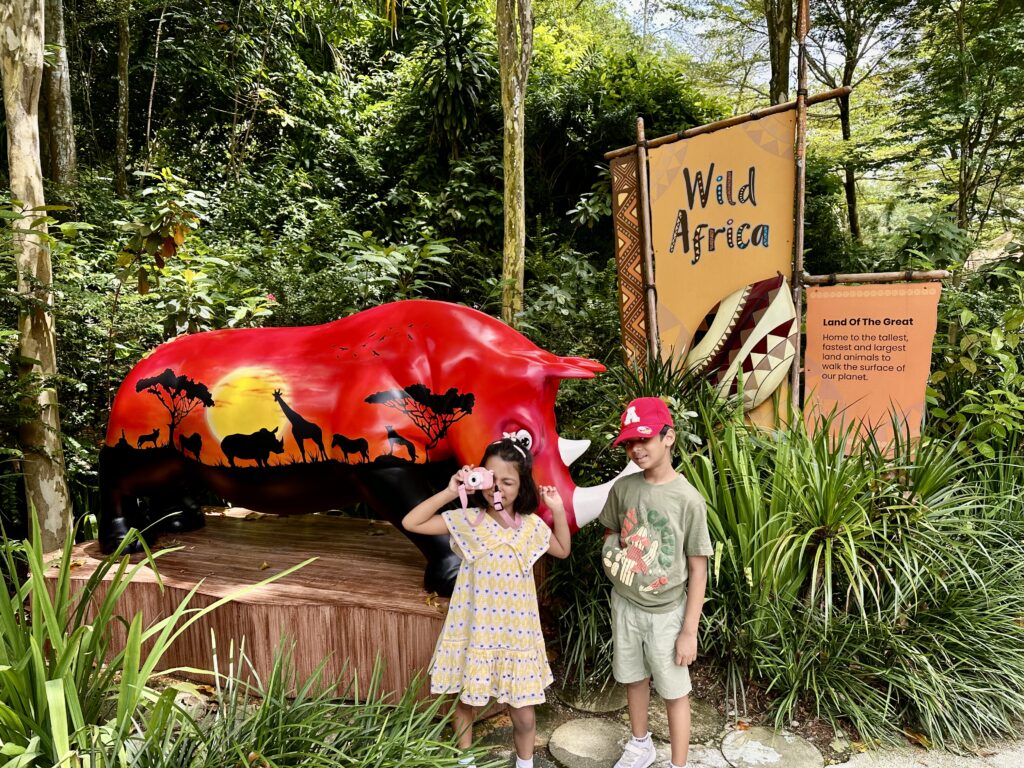
Also we walked a lot and our exploration is more like walking and exploring and very less travelling in taxis and staying in hotels like travel. We usually walk and explore the countries we visit. So the experience with kids may differ if you are hopping in an AC car to go everywhere in Singapore. Your child may not get affected so much.
✈ Pro Tip: At the Singapore Zoo, some of the paths are long and winding through lush natural habitats. The zoo is beautiful but it is not compact. A stroller or trolley is strongly recommended for any child under 10, and for any family who plans to stay for a full day. Rent one at the entrance — do not wait until the children are already exhausted.
✈ Pro Tip: Universal Studios Singapore has multiple themed zones and the distances between them add up. A stroller also doubles as a storage vehicle — keep your bags, sunscreen, snacks and extra clothes in it throughout the day.
Top Attractions in Singapore
What to See, What to Skip, and What to Book in Advance
Marina Bay & the Iconic Skyline
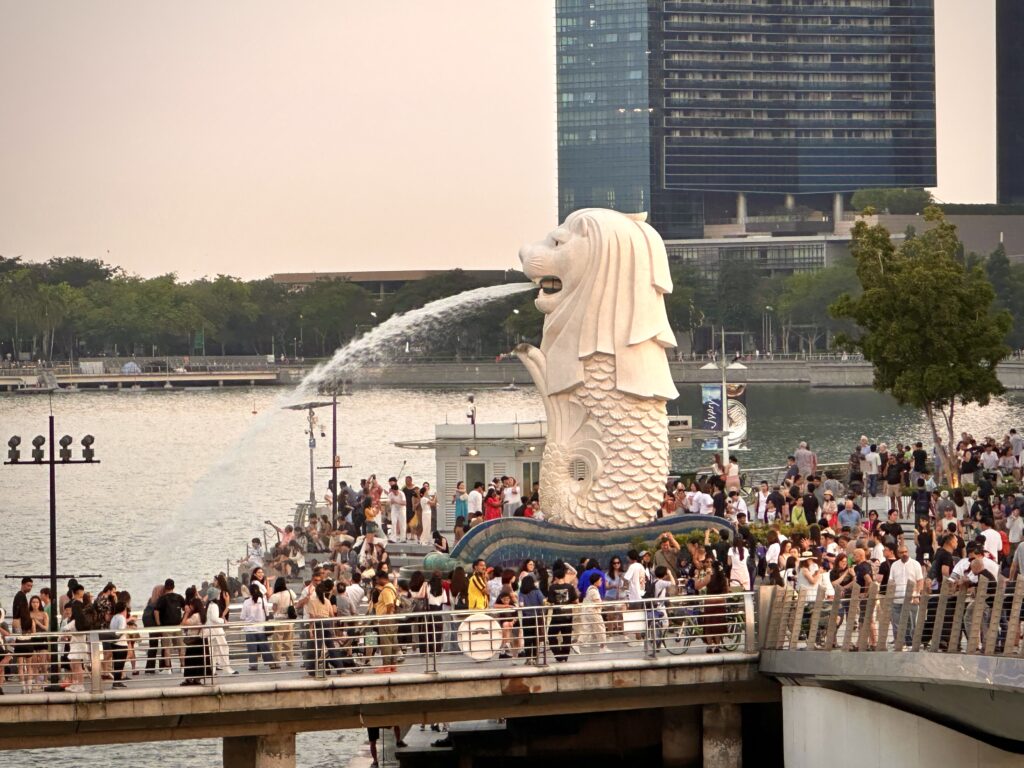
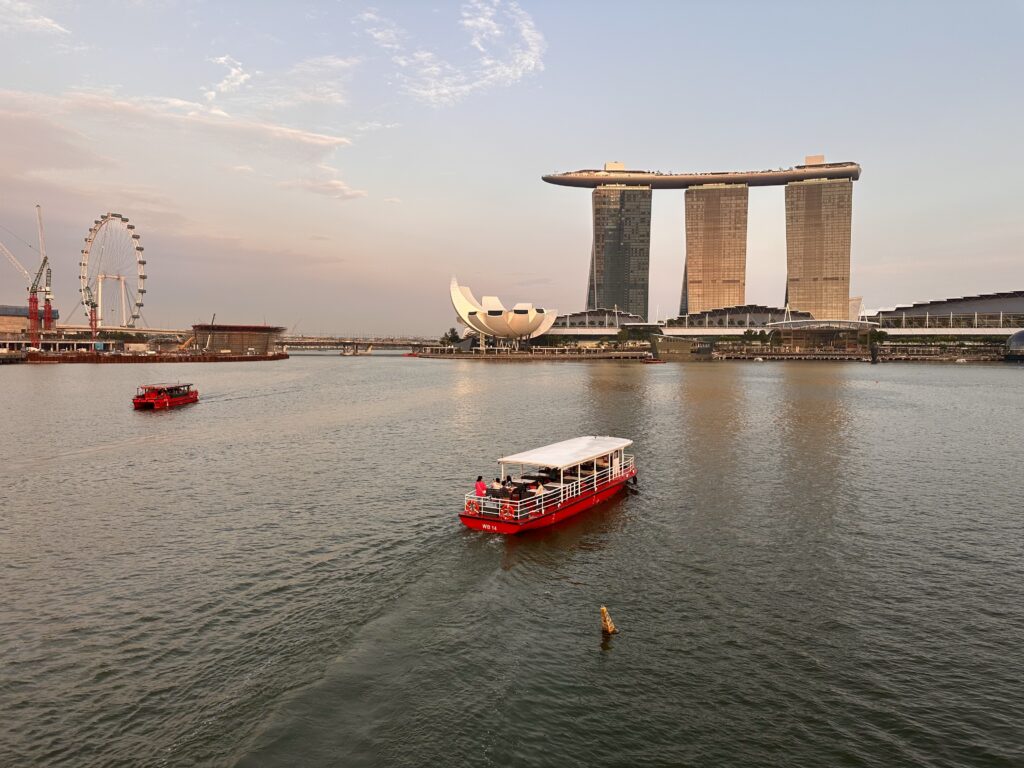
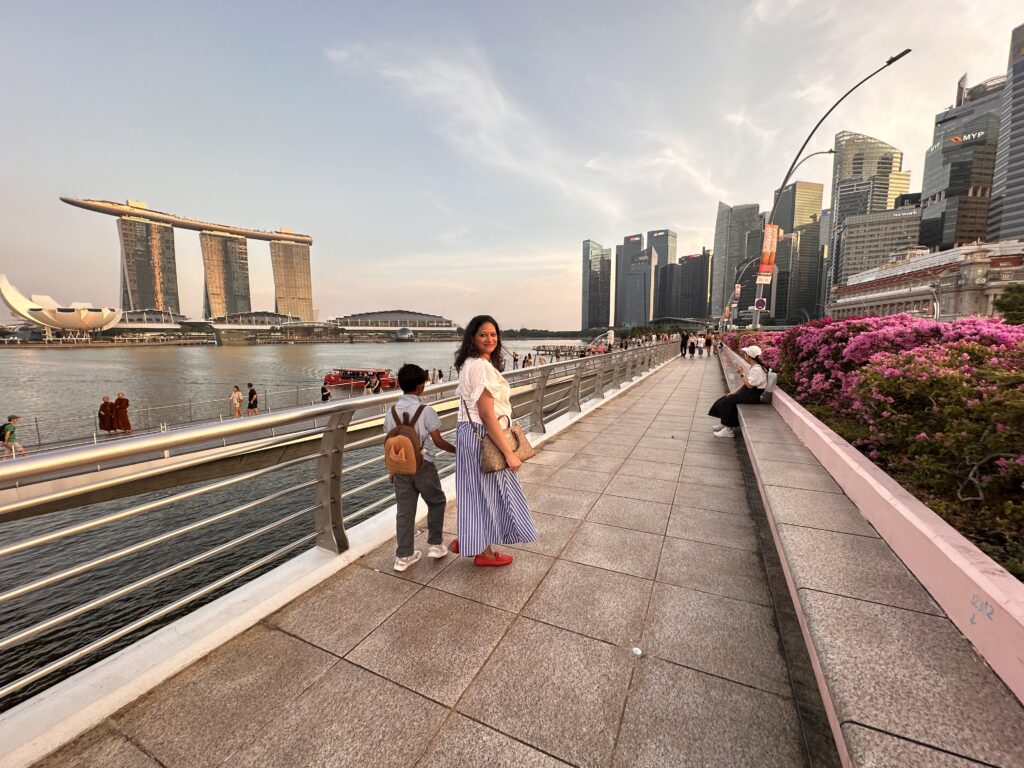
Marina Bay is Singapore’s showpiece — the waterfront district where futuristic architecture, world-class hotels, and spectacular light shows converge in one breathtaking sweep. No visit to Singapore is done if you didn’t visit The Merlion, the Marina Bay Sands SkyPark, and the Helix Bridge, they are all walkable from each other.
- Marina Bay Sands SkyPark: The rooftop observation deck offers unmatched panoramic views of the skyline. Book tickets in advance — it sells out.
- Merlion Park: Best at sunrise or after dark. Early morning offers calm, beautiful light and no crowds.
- Spectra Light Show: A free water and light show at Event Plaza on Friday and Saturday nights. Do not miss it.
Gardens by the Bay
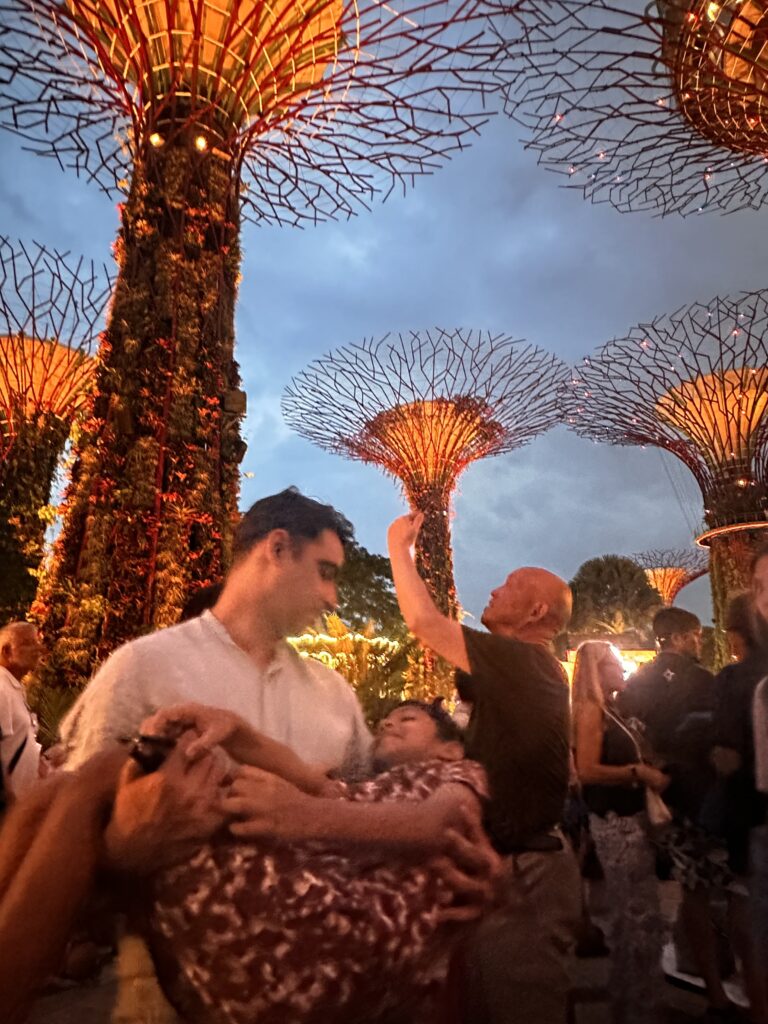
One of Singapore’s greatest gifts to the world is Gardens by the Bay — a 101-hectare nature park on reclaimed land beside Marina Bay that feels like it was designed on another planet. The iconic Supertrees are 25–50 metres tall vertical gardens. The Cloud Forest conservatory contains a 35-metre indoor mountain wrapped in tropical plants and mist. The Flower Dome recreates Mediterranean landscapes under a glass dome.
One of the best parts about these places is that they are indoor conservatories and are beautifully air-conditioned. After visiting any outdoor attraction when you come to this place you feel blessed. I don’t recommend you miss these places. Even as an adult you will love it. It was shocking for me how the cloud forest and dinosaurs inside brought my inner Jurassic Park fan out.
- Supertree Grove: Free to walk around at any time. The Garden Rhapsody light show is free and runs nightly at 7:45 PM and 8:45 PM. Do remember if you buy a Supertree grove ticket combined with Cloud forest and Flower Dome.
- Supertree The OCBC Skyway: It is a popular 128-meter-long aerial walkway suspended 22 meters above the ground, located within the Supertree Grove. Ticket for this are separate from the other tickets.
- Cloud Forest: Paid entry. Absolutely worth it. Plan 90 minutes minimum.
- Flower Dome: Buy a combo ticket with Cloud Forest — significantly cheaper than buying separately.


Singapore Zoo & Night Safari
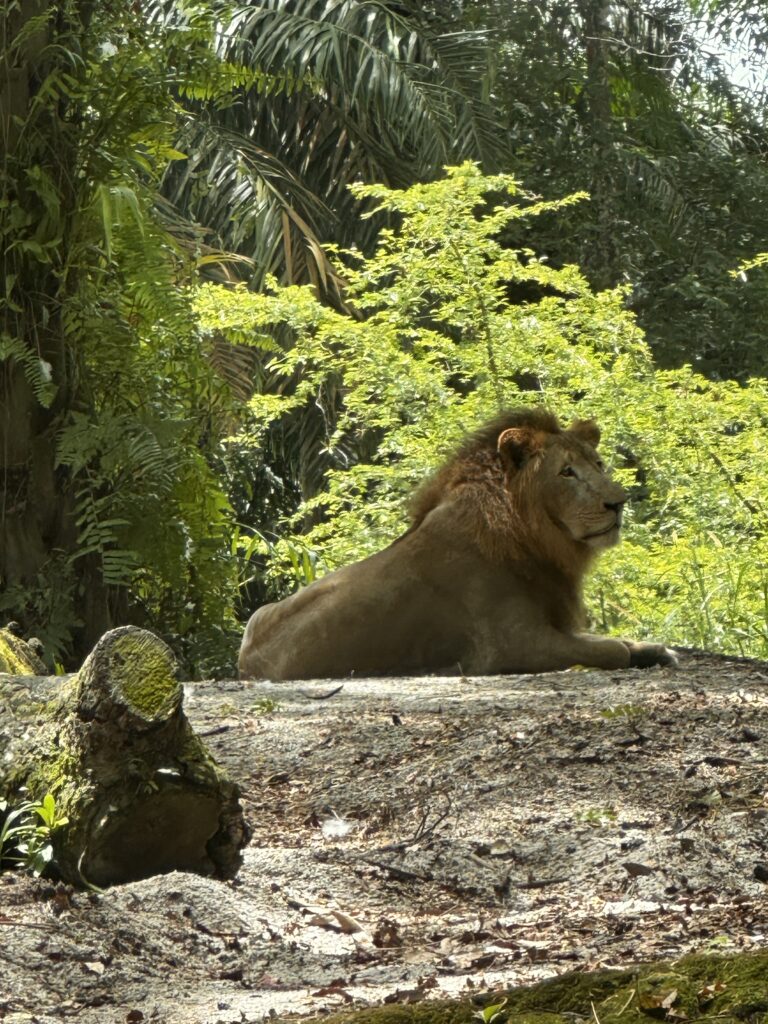
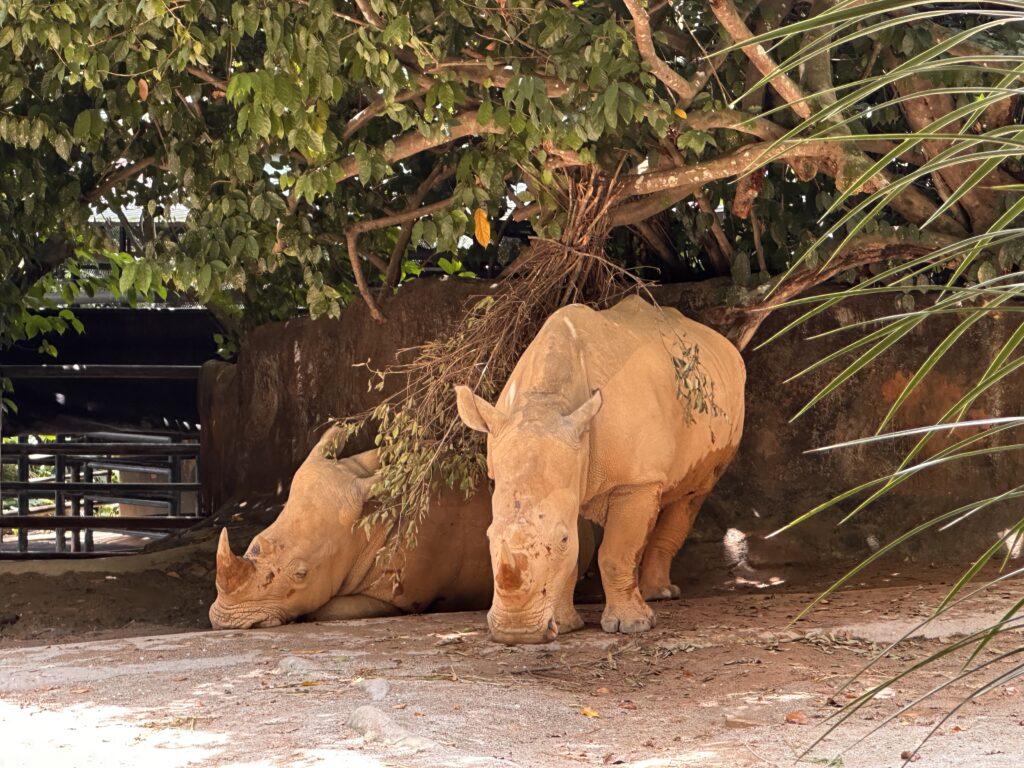
The Singapore Zoo is regularly ranked among the best zoos in the world. The open-concept design is genuinely immersive. In here animals live in naturalistic, barrier-free habitats rather than traditional cages. You will walk through habitats rather than past exhibits.
The zoo spans 28 hectares of lush tropical forest. The zoo visit takes hours or half a day. A full day at the zoo in Singapore’s heat is a serious physical undertaking. Apply the survival tips from earlier in this guide: arrive early, carry water, refill at the free water stations inside the zoo, grab snacks from 7-Eleven, and rent a stroller for young children without hesitation.
- Night Safari: A separate adjacent experience — the world’s first nocturnal wildlife park. Open from 6:30 PM. Cooler temperatures make this one of the most comfortable sightseeing experiences in Singapore. But if your kids are younger, I don’t think you should go for it.
- Breakfast with the Orangutans: A legendary Singapore Zoo experience — dining with free-roaming orangutans. Book well in advance.
- Best time to arrive: Opening time (8:30 AM) — beat the heat and the crowds simultaneously.
Our Experience At The Singapore Zoo:
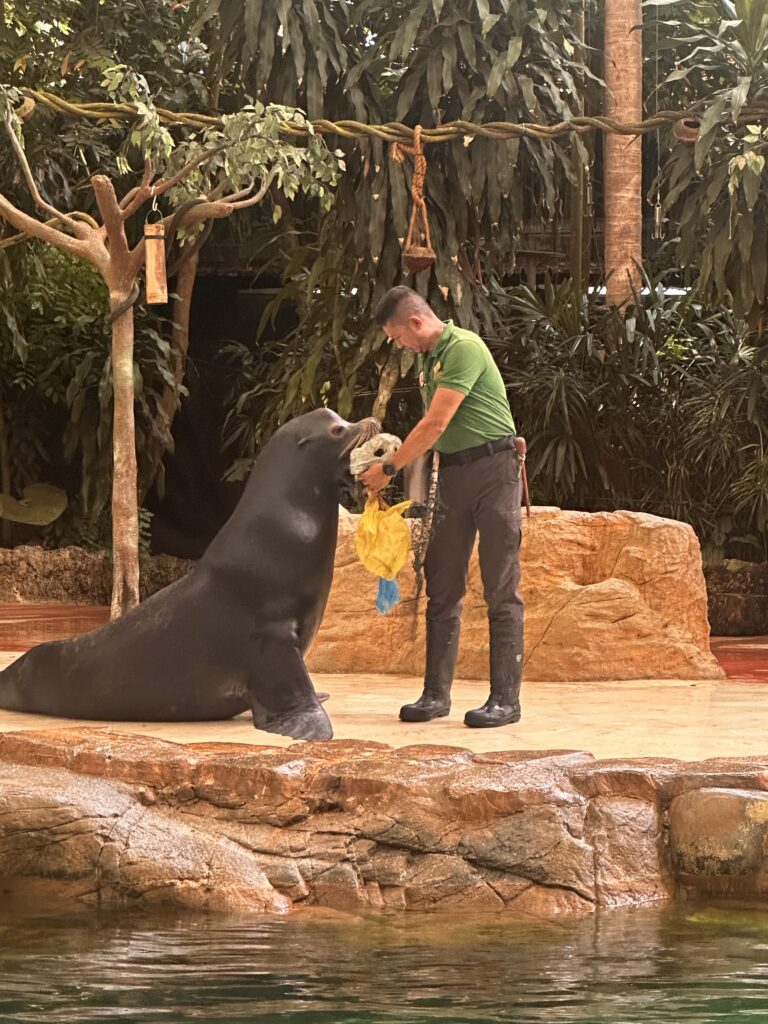
The highlight of the Singapore zoo was the Sea Lion show, Giraffes, cute Meer Cats and animal buddies show with miniature horses. Our son totally enjoyed the shows. The small play ground inside the kids section was a blessing, you have an air conditioned zone inside where you can cool off for a while and kids can play some interactive games inside.
The fountain at the back, the Splish splash zone allows the kids to get wet and enjoy their time in water. It took us around 5 hours to finish exploring the zoo, taking long breaks with kids every now and then. We arrived at 12 and stayed till 4pm.
Universal Studios Singapore
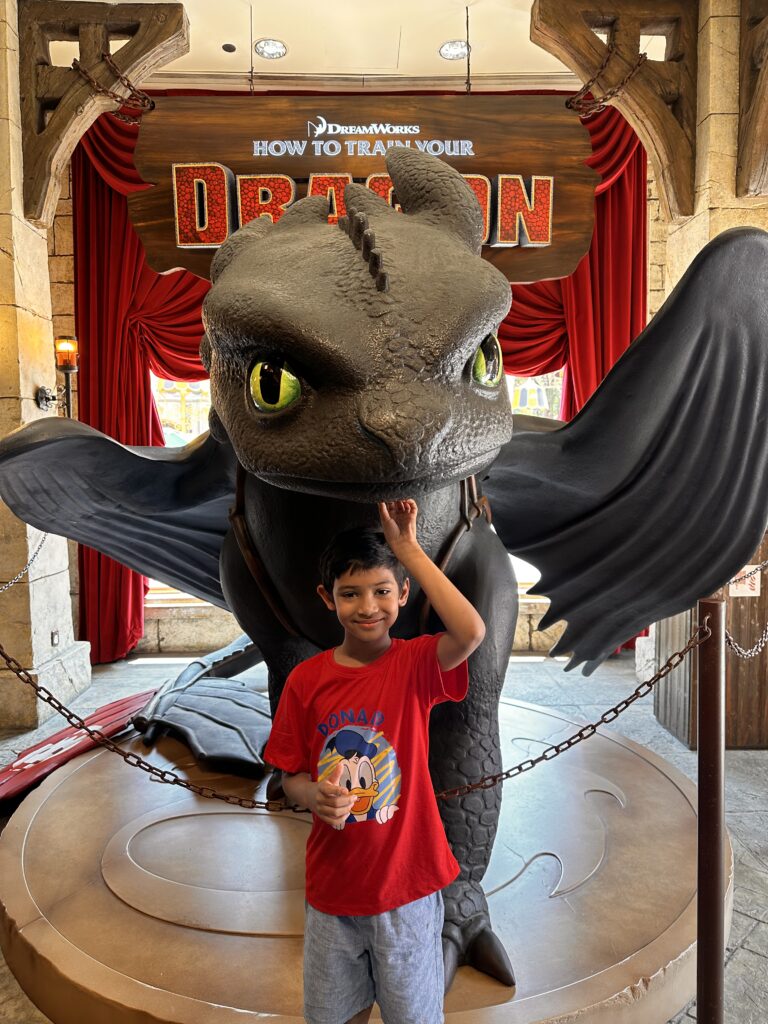
Universal Studios Singapore on Sentosa Island is Southeast Asia’s only Universal Studios theme park, and it delivers a genuinely excellent day out for families and thrill-seekers alike. The park has 24 rides and shows across seven themed zones including Hollywood, New York, Sci-Fi City, Ancient Egypt, The Lost World, Far Far Away, and Madagascar.
Like the zoo, Universal Studios is large and physically demanding. All the survival strategies apply here: arrive at opening or go on rides strategically according to the wait time on the map, carry hydration, keep snacks in the stroller, take shade breaks, and use the indoor attractions and shows as rest points during the hottest part of the day.
- Must-ride: Battlestar Galactica (duelling roller coasters), Revenge of the Mummy (indoor thriller), Transformers: The Ride (4D motion simulation).
- Best for young children: Far Far Away zone (Shrek, Puss in Boots), Madagascar area, and the Sesame Street spaghetti space chase.
- Book tickets in advance: Buy through Klook, Viator, or the official website. Usually cheaper than at the gate.
✈ Pro Tip: Download the Universal Studios Singapore app before you arrive. It shows live ride wait times and lets you plan your route intelligently — go to the biggest rides first when the park opens and crowds are thinnest.
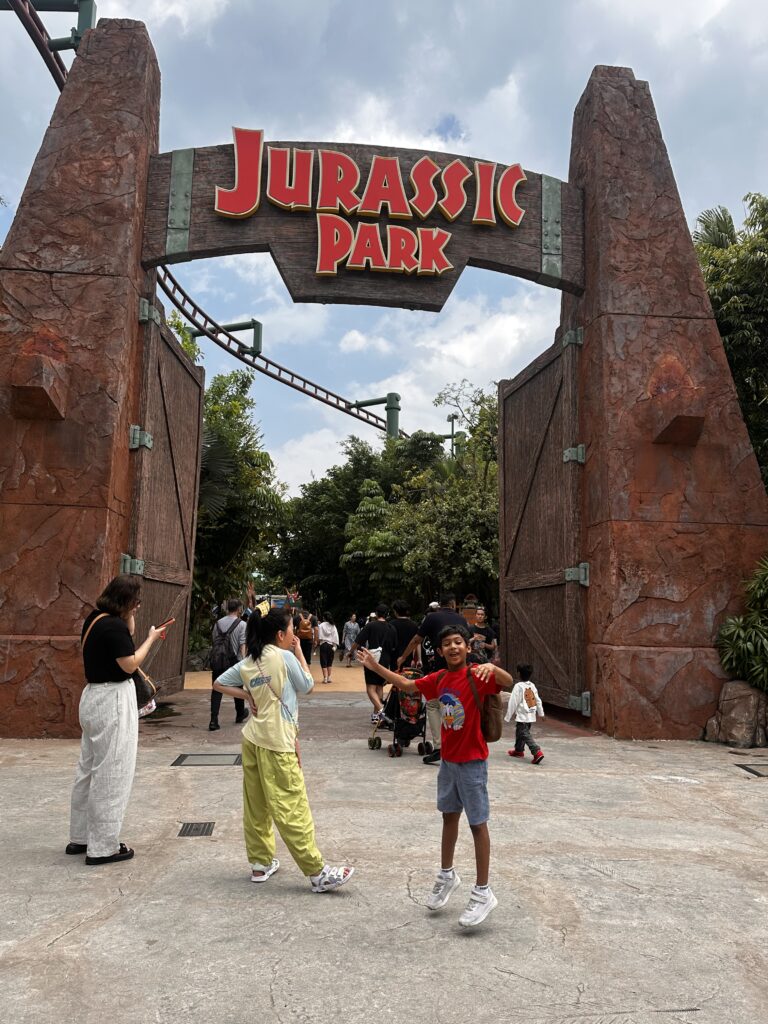
Sentosa Island: Beyond Universal Studios
Sentosa Island is Singapore’s dedicated leisure and resort island, connected to the mainland by cable car, monorail, and a boardwalk. Universal Studios sits here, but there is much more to explore:
- Siloso Beach: The most popular of Sentosa’s beaches — sand, sun, watersports, and beach bars. A solid half-day if you want to decompress.
- S.E.A. Aquarium (Singapore Oceanarium): Recently transformed into one of the largest and most immersive aquariums in the world. Excellent for families and marine life lovers.
- Cable Car: Take the Singapore Cable Car to Sentosa for panoramic views of the harbour and southern islands. One of Singapore’s most scenic rides.
- Wings of Time: A spectacular outdoor night show on Siloso Beach combining water jets, laser projections, and music. One of Singapore’s most underrated evenings out.
Chinatown, Little India & Kampong Glam
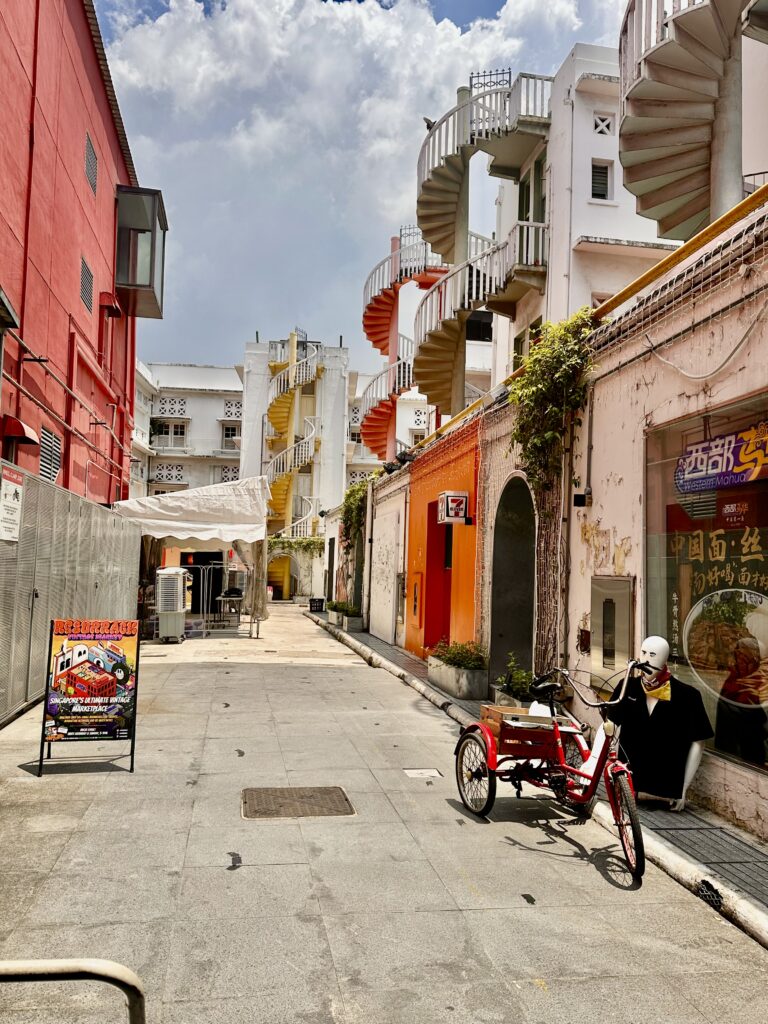
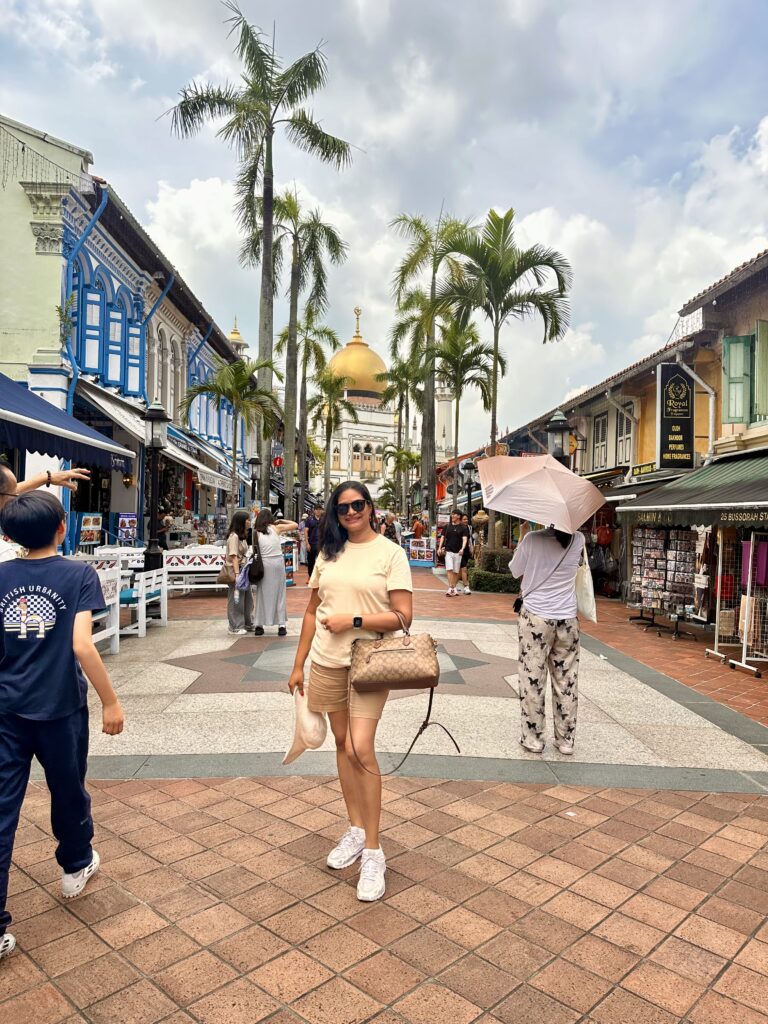
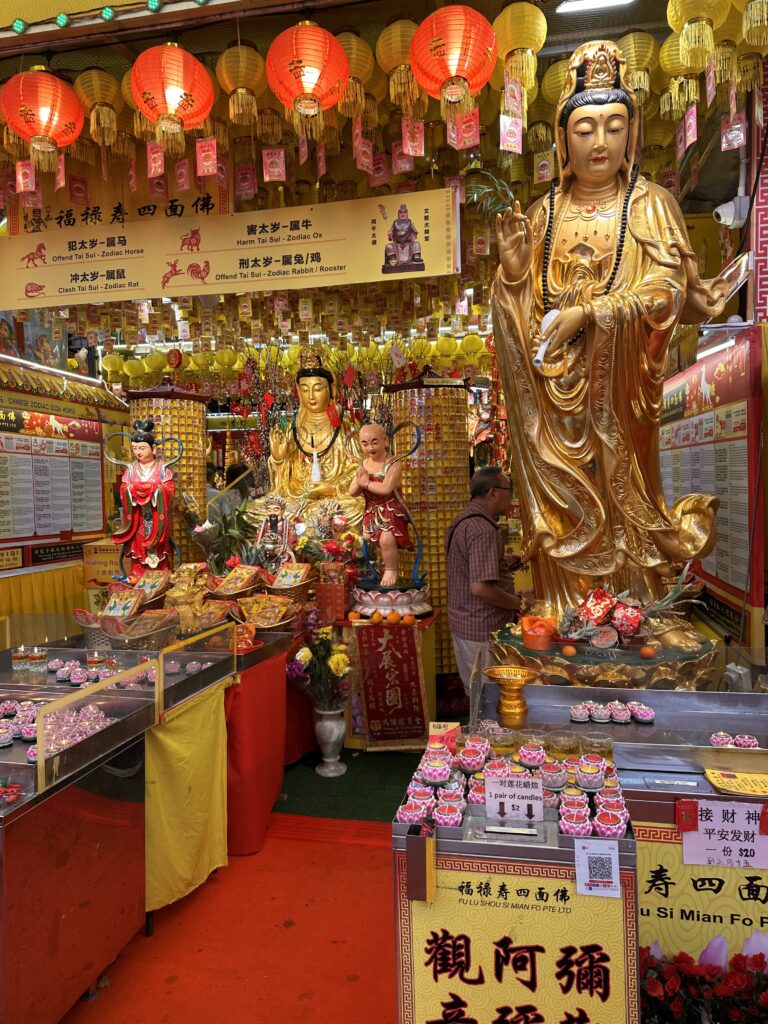
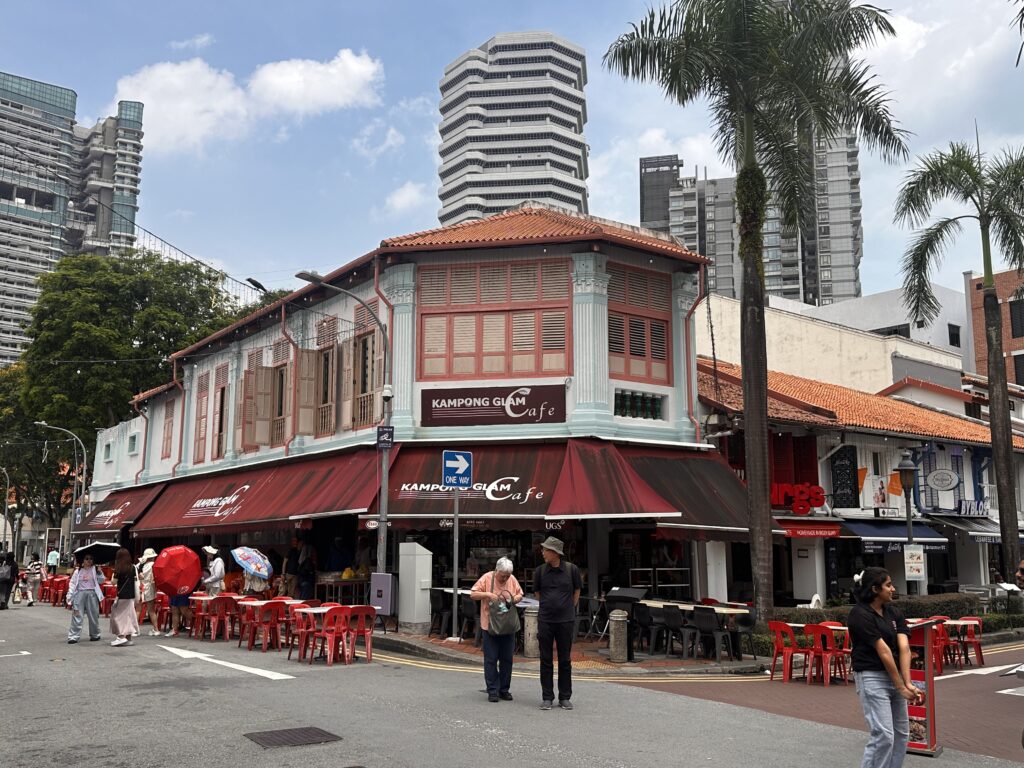
These three cultural quarters are Singapore’s multicultural soul, and together they represent the most rewarding walking experience in the city. Chinatown brings bustling hawker markets and temple architecture. Little India erupts in colour, incense, and spiced flavours. Kampong Glam offers the golden dome of Sultan Mosque and the rainbow shophouses and indie boutiques of Haji Lane.
All three are walkable and easily connected by MRT. Budget a full day to explore all three properly. Eat at every opportunity.


Singapore Food Guide
How and Where to Eat Like a Local
Singapore’s food culture is not just excellent — it is one of the best in the entire world, and it is one of the primary reasons people visit. The hawker centre system — an organised network of open-air food courts where individual stalls each specialise in one dish — means you can eat extraordinarily well for very little money. Michelin inspectors have awarded stars to hawker stall operators. The standard is that high.
The Ultimate Singapore Hawker Food Checklist
- Hainanese Chicken Rice: The national dish is Silky poached or roasted chicken on fragrant rice with ginger paste and chilli sauce, simple and delicious.
- Laksa: A rich, spicy coconut noodle soup with prawns or fish cake. Katong laksa (with cut noodles, eaten with a spoon) is the most famous variation.
- Char Kway Teow: Wok-fried flat rice noodles with cockles, Chinese sausage, bean sprouts, and egg. Best eaten with a touch of char — the smoky flavour from the wok.
- Chilli Crab: Singapore’s most celebrated dish. Whole mud crab in a thick, tangy, sweet-spicy tomato-egg sauce. Order fried mantou to mop up every drop.
- Kaya Toast & Soft-Boiled Eggs: The quintessential Singapore breakfast. Coconut jam and butter on charcoal-toasted bread, eaten with soft-boiled eggs seasoned with soy sauce and white pepper.
- Bak Kut Teh: Pork ribs slow-cooked in a fragrant herbal broth. The Teochew version is lighter and peppery; the Hokkien version is darker and richer.
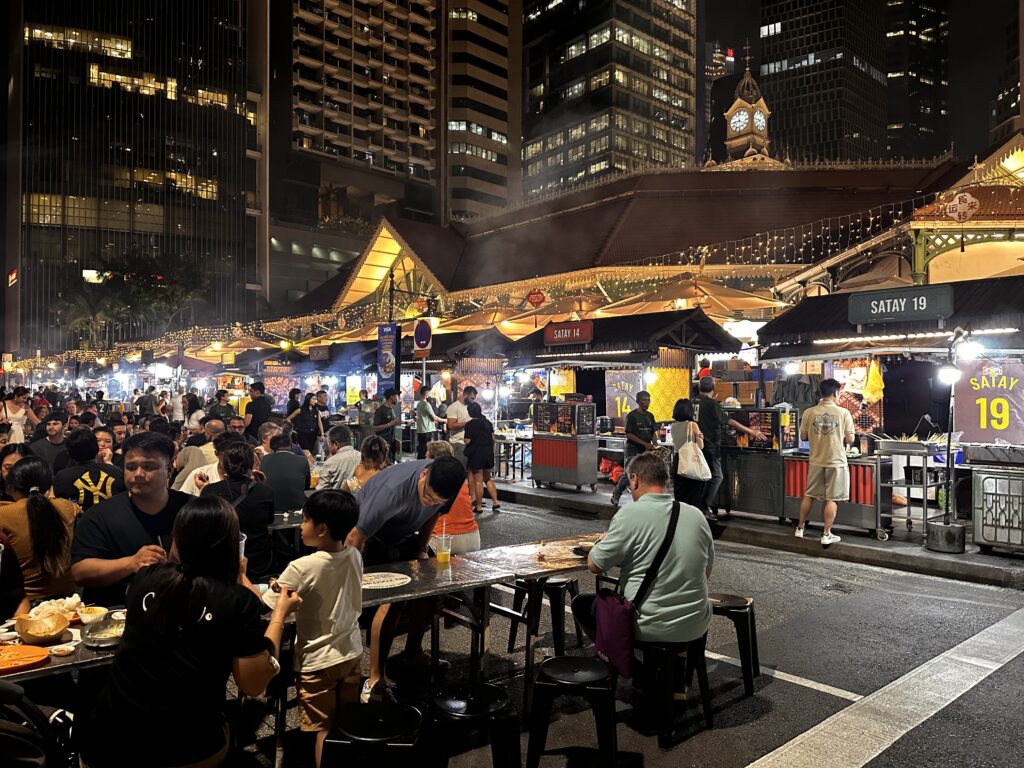
- Satay: Charcoal-grilled skewers dipped in peanut sauce. Best at Lau Pa Sat on Satay Street, where the smoke fills the street every evening.
- Nasi Lemak: Coconut rice with fried egg, sambal chilli, ikan bilis (anchovies), and peanuts. A Malay staple that is found on every corner.
- Roti Prata: Indian-origin flaky flatbread cooked on a griddle, served with curry dipping sauce. Find it in Little India and at Indian Muslim stalls throughout the city.
- Teh Tarik: Frothy ‘pulled’ milk tea, poured at height to create a distinctive froth. The unofficial beverage of Singapore.
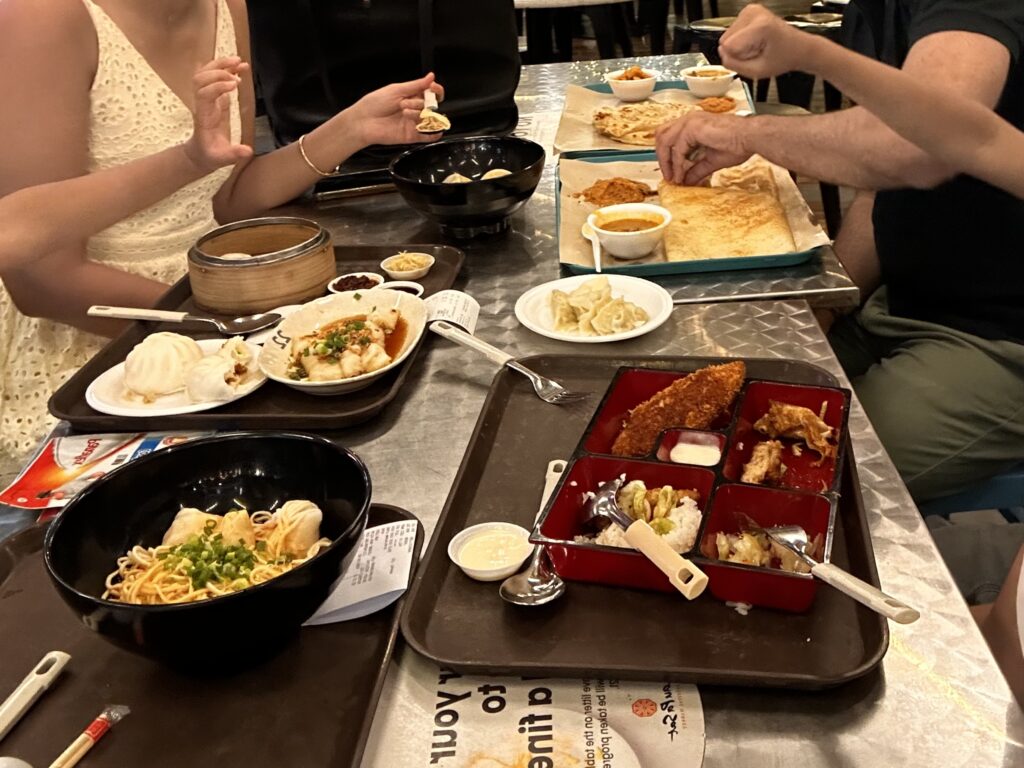
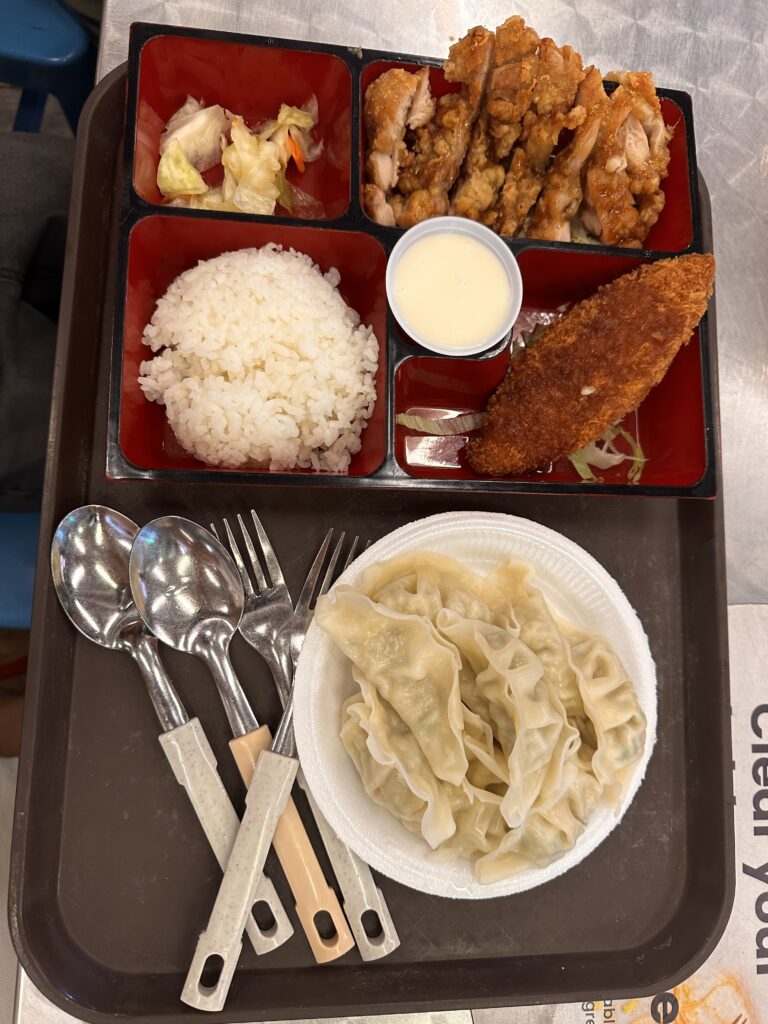
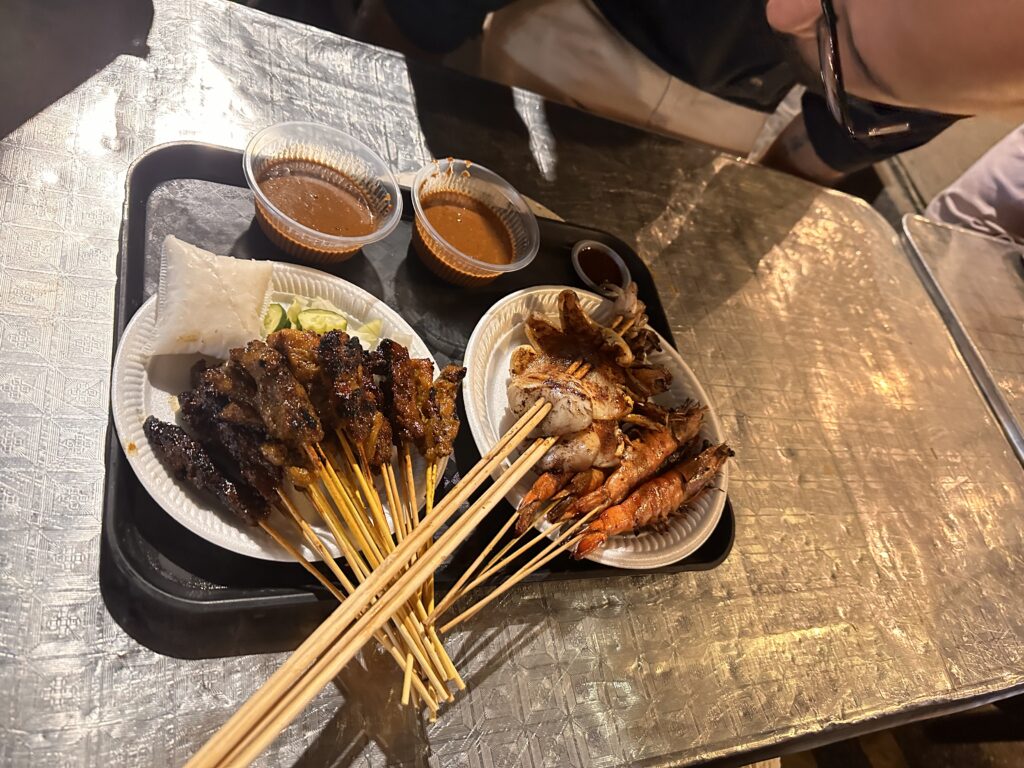
Best Hawker Centres in Singapore
- Maxwell Food Centre (Chinatown): Famous for Tian Tian Hainanese Chicken Rice. Central, accessible, and excellent across the board.
- Lau Pa Sat Festival Market (CBD): Beautiful Victorian cast-iron market hall. Satay Street comes alive with charcoal grills from evening onwards.
- Old Airport Road Food Centre: Local institution with decades of history. Less touristy, more authentic, and considered one of the best in Singapore.
- Tekka Centre (Little India): The go-to for South Indian food — banana leaf rice, mutton curry, and roti prata.
- Newton Food Centre: Lively evening centre famous for seafood. A tourist magnet, but the food quality is high.
Getting Around Singapore
Transport Tips to Move Like a Local
The MRT Is Your Best Friend in Sigapore
Singapore’s MRT (Mass Rapid Transit) is one of the finest public transport systems in the world. Trains are clean, punctual, air-conditioned, and cover virtually every major attraction and neighbourhood in the city. For a tourist, it is the default way to move between destinations.
- EZ-Link Card: Pick one up at any MRT station on arrival. Load credit and tap in and out. Alternatively, modern turnstiles accept contactless bank cards directly.
- Operating hours: Roughly 5:30 AM to midnight, with trains every 3–8 minutes during peak hours.
- Cost: Single journeys cost between SGD 0.90–2.50. Very affordable.
Survival Tip: MRT stations are air-conditioned and safe. When the heat is overwhelming mid-afternoon, ride a few stops and back just to cool down. It sounds silly until you are standing in 34°C humidity.
Grab — Southeast Asia’s Ride-Hailing App
Grab is the dominant ride-hailing app in Southeast Asia and works seamlessly in Singapore. Download it before you arrive, set up your account, and link your payment card. Fares are shown upfront before you book. Drivers are professional, vehicles are clean, and availability is excellent around the clock.
Grab is particularly useful for getting to attractions that are not on a direct MRT line — like the Night Safari or certain beach clubs on Sentosa. It is generally affordable and far cheaper than traditional taxis after the 6 PM peak surcharge.
Walking
Singapore is a very walkable city within individual neighbourhoods. Chinatown, Kampong Glam, Little India, and the Marina Bay waterfront are all best explored on foot. However, the heat makes long outdoor walks between neighbourhoods impractical during midday.
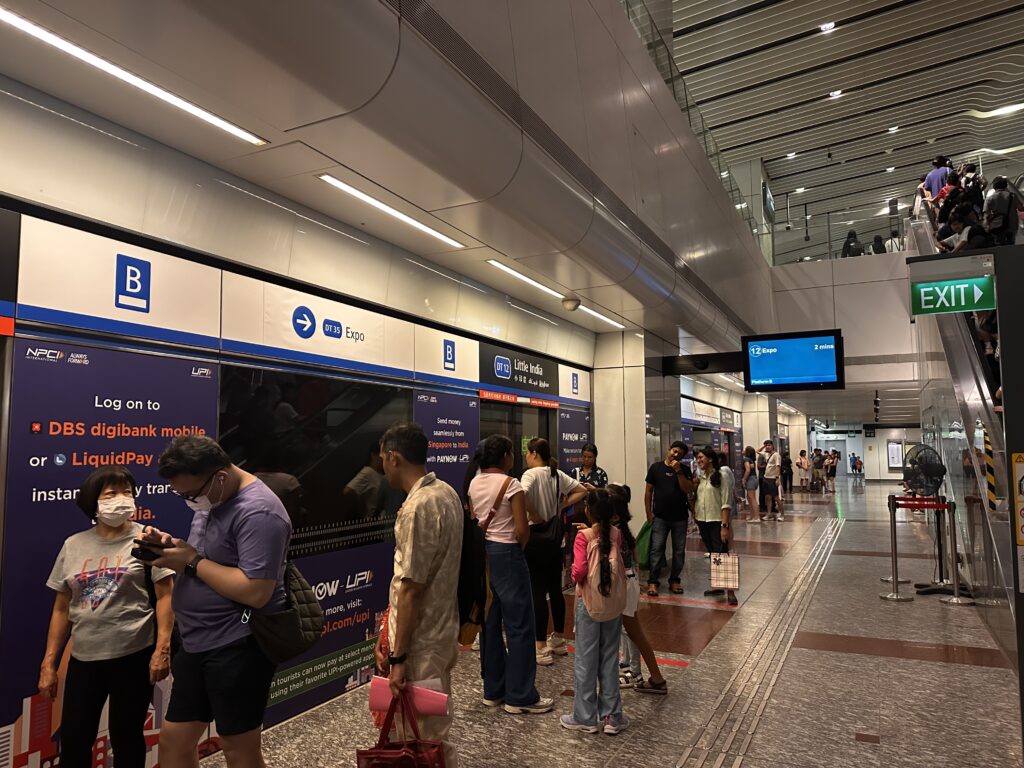
The MRT will always outperform a walk of more than 10–15 minutes in Singapore’s climate. I wanted to walk and explore Aran street, kampong glam and later little India. But I was kind of lost and very tired, so I found a metro station and went inside. Upon checking the ticket window, the staff said I can use my credit card without a problem and go down the excavator and take the right to get the metro to Little India. It was one of the smoothest ways to get from the Arab street area to little india took 2 stops and I was there without shedding a seat in the afternoon heat of 1 o’clock.
Where To Stay In Singapore
Best Neighbourhoods for Every Type of Traveller
Singapore’s excellent public transport means your choice of accommodation neighbourhood is less critical than in many other cities — you are rarely more than 20–30 minutes from anywhere. That said, choosing the right base still shapes your experience significantly.
- Marina Bay: The most iconic location. Walking distance from Gardens by the Bay, the Merlion, and the MBS SkyPark. Premium pricing. Best for: first-timers who want to wake up to the skyline.
- Bugis: Perfectly central. Close to Kampong Glam and Little India. Wide range of mid-range hotels. Best for: travellers who want convenience without luxury pricing.
- Chinatown: Great value accommodation with exceptional hawker food on the doorstep. Best for: budget travellers and food lovers.
- Orchard Road: Singapore’s shopping belt. Surrounded by malls and international restaurants. Best for: shoppers and those who prioritise comfort and familiarity.
- Sentosa Island: Resort-style stays with beach access. Best for: families spending.
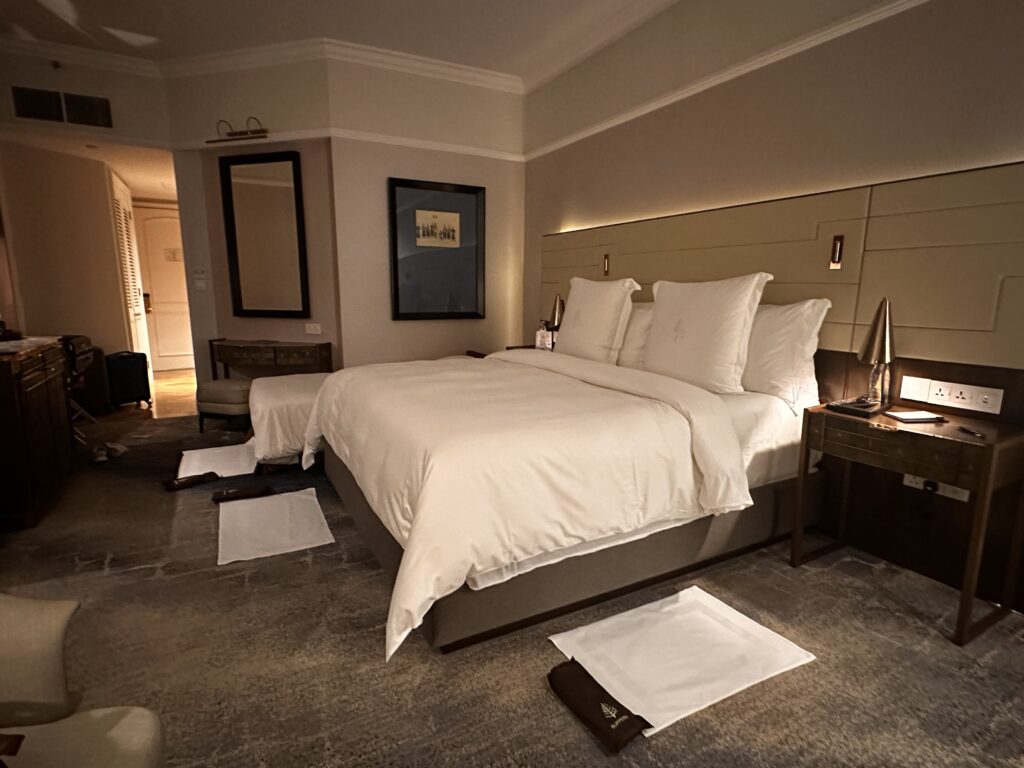
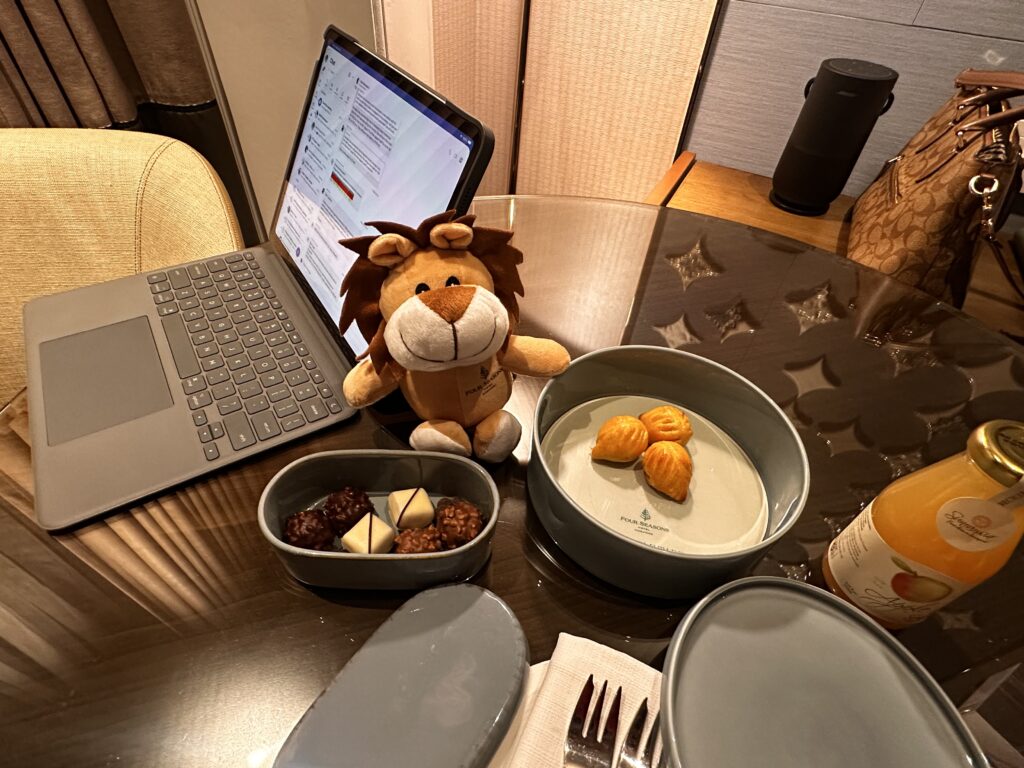
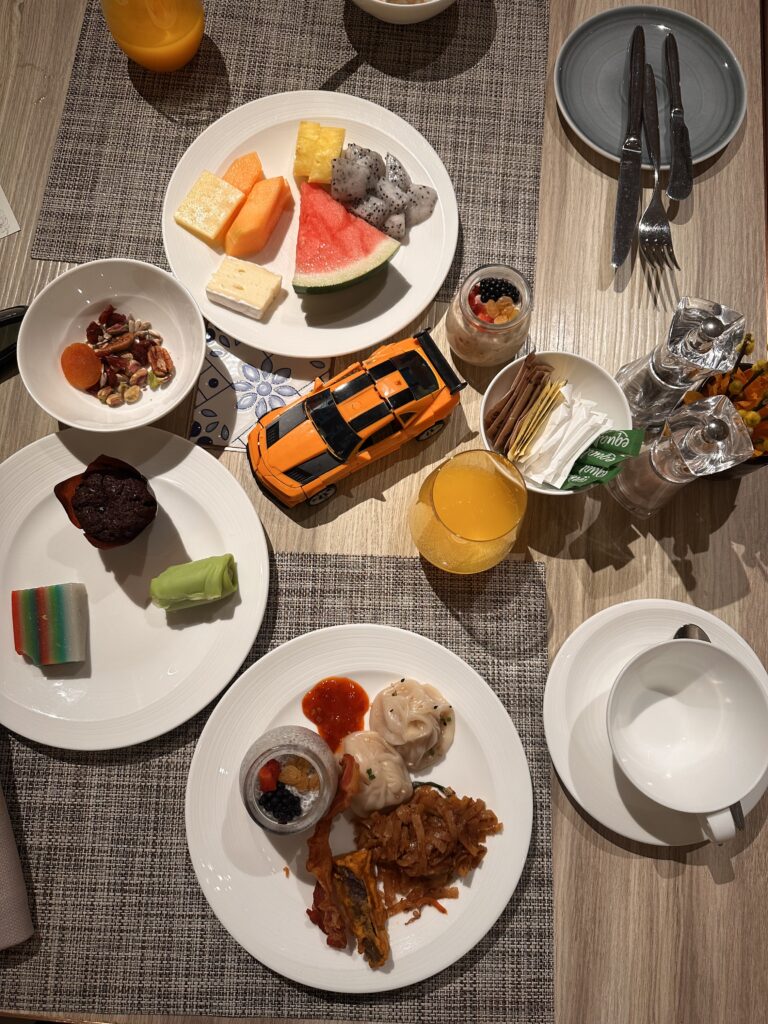
We stayed at the Fourseasons in Orchard Road and The Village near Bugis. And It was great how easy it was for us to walk and explore the nearby area from both hotels.
Singapore Budget Guide
How Much Does a Singapore Trip Really Cost?
If you have chosen the budget hotel to stay, ate at the hawkers mostly, and walked around the attractions, and used public transports then you may end up spending 60 to 70,000 INR for the entire trip. Singapore has a reputation for being expensive — and for certain things, it is. Accommodation and alcohol cost as much as any major Western city. But the food situation is completely different. Hawker centres offer world-class meals for SGD 4–10. Markets are affordable. Public transport is cheap. With smart planning, Singapore is accessible on a wide range of budgets.
Top Money-Saving Tips
- Eat almost exclusively at hawker centres — the food is as good or better than any restaurant
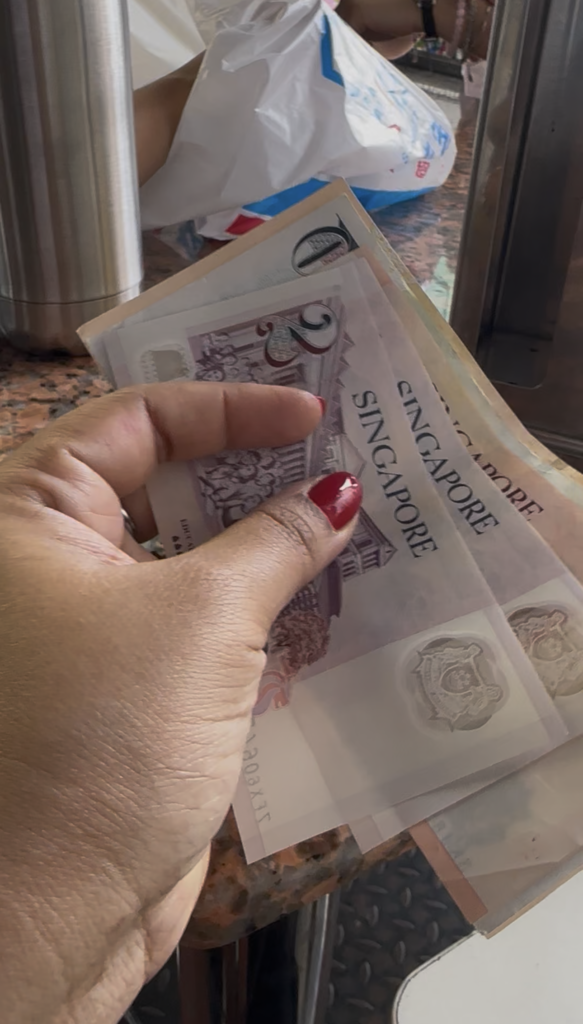
- Use credit cards as much as possible. We noticed the exchange rate on our credit card purchase is not much compared to Indian currency. Also credit cards are useful in MRT’s and Buses. You don’t have to buy tickets or passes of any sort.
- Use the MRT instead of taxis wherever possible — the savings add up significantly across multiple days
- Book attraction tickets on Klook or Viator — usually 10–20% cheaper than at the gate
- Buy snacks and drinks at 7-Eleven rather than inside attractions
- Carry a reusable water bottle and refill at free water stations
- Visit free attractions: Supertree Grove at night, the Garden Rhapsody show, Merlion Park, Haji Lane, all temples
- Claim GST tourist refund at the airport on retail purchases over SGD 100 at participating stores’
Daily Budget Estimates
- Budget traveller (hostel + hawker meals + MRT): SGD 80–130 per day
- Mid-range (3-star hotel + mix of hawker and sit-down dining): SGD 180–300 per day
- Luxury (4-5 star hotel + fine dining + taxis): SGD 400–600+ per day
Typical Costs at a Glance
- Hawker meal (rice/noodles + drink): SGD 4–10
- Kaya toast breakfast: SGD 4–6
- Bubble tea: SGD 4–6
- Grab taxi (average journey): SGD 8–18
- MRT single journey: SGD 0.90–2.50
- 7-Eleven onigiri: SGD 2.50–3.50
- Fresh orange juice from vending machine: SGD 2–3
- Gardens by the Bay (both conservatories): Approx. SGD 32
- Universal Studios Singapore ticket: Approx. SGD 68 (buy via Klook for discounts)
- Singapore Zoo: Approx. SGD 42 (adult)
Practical Singapore Travel Tips
Singapore Laws You Must Know
Singapore is famous for its strict laws, and these are enforced with real fines. As a visitor, the ones most likely to affect you are:
- Littering: SGD 300 fine for first offence. Do not drop anything, anywhere, ever.
- Smoking: Only in designated smoking areas. Fines for smoking anywhere else.
- Vaping and e-cigarettes: Completely illegal in Singapore. Possession, use, or purchase can result in a SGD 2,000 fine.
- Jaywalking: Crossing outside a designated crossing within 50 metres of one is technically illegal.
- Drugs: Singapore has extremely strict drug laws. Do not bring any controlled substances.
✈ Pro Tip: None of these laws are difficult to follow. Singapore’s cleanliness is a direct result of them. Embrace the rules, they make Singapore the extraordinary place it is.
Connectivity & SIM Cards
My husband bought a Tourist ESim online from Sim support Singtel for S$12 each for 14 days, Data only plan.And it was very helpful and money saving at the same time. We could have activated Indian eSim but that would have charged more than using the tourist sim. Staying connected in Singapore is essential for navigation, Grab, and attraction bookings. Your options are:
- Tourist SIM card: Available at Changi Airport on arrival. Singtel, Starhub, and M1 all offer affordable tourist data plans. Pick one up immediately after clearing immigration.
- eSIM: If your phone supports eSIM, you can purchase and activate a Singapore eSIM before you even board your flight. Highly convenient.
- Free WiFi: Singapore has extensive free public WiFi at MRT stations, shopping malls, libraries, and many hawker centres (Wireless@SG network).
What to Pack for Singapore
- Lightweight, breathable clothing like linen, cotton or moisture-wicking fabrics
- A compact umbrella or packable rain jacket (late afternoon showers are common in Singapore)
- A light layer (cardigan or thin jacket) for indoor air conditioning. It can be genuinely cold in malls and MRT
- Comfortable, well-worn walking shoes — Singapore demands serious step counts
- Reef-safe sunscreen — apply before going outdoors, every day
- A reusable water bottle with good insulation
- Power bank — long days mean your phone battery will not last
- Modest clothing for temple visits (cover shoulders and knees — most temples provide sarongs)

Changi Airport Arrival Tips
Changi Airport is consistently ranked the best airport in the world, and it more than earns that reputation. It is so good that many visitors deliberately plan layovers here just to experience it. The Jewel Changi, a glass dome adjacent to Terminal 1 – 3 with an indoor waterfall, gardens, and restaurants is itself a destination worth the visit.
- Immigration: Fill out your Singapore Arrival Card (SGAC) online before landing — it is free and saves time at the border.
- MRT from Changi: The East-West MRT line connects directly from Changi Airport to the city. The journey to the city centre takes about 30–40 minutes.
- Currency exchange: Better rates are generally available at licensed money changers in the city (particularly at Mustafa Centre in Little India) than at the airport.


Singapore Tour Package Vs Independent Singapore Travel
One of the first decisions every Singapore-bound traveller faces is whether to book a Singapore tour package or plan their trip independently. Both approaches have genuine merits, and the right choice depends entirely on your travel style, budget, and how much planning you enjoy doing.
Singapore Tour Packages
Singapore Tour Packages are ideal for travellers who prefer a structured, stress-free experience. A good package typically bundles flights, accommodation, airport transfers, and curated sightseeing into a single, convenient booking.
For first-time visitors or families with young children, this takes the logistical pressure entirely off your shoulders. Budget tour packages to Singapore are available from most major travel agencies and online platforms, and they can represent genuinely good value, particularly if you are travelling from South Asia or Southeast Asia where Singapore packages are competitively priced.
On the other end of the spectrum, luxury Singapore tour packages offer premium hotel stays, private guided tours, yacht dinner cruises, and bespoke itineraries designed around your specific interests. If you want to experience Marina Bay Sands, fine dining at a Michelin-starred restaurant, and a private Sentosa Island experience without coordinating every detail yourself, a luxury package delivers that seamlessly.
Independent travel in Singapore
Independent travel in Singapore, on the other hand, is remarkably well-suited to Singapore specifically. The city is one of the easiest in the world to navigate on your own. English is spoken everywhere, the MRT is intuitive, Grab works flawlessly, and Google Maps will get you to any door within seconds. Going independently gives you the freedom to eat at any hawker centre you stumble upon, linger in a neighbourhood that captures you, or skip an attraction that does not feel worth your time. It is also significantly more flexible on budget — you control every spending decision, from the hostel to the hawker meal to the attraction ticket bought at a discount through Klook. For experienced travellers, backpackers, or anyone who finds rigid group tour schedules frustrating, independent travel in Singapore is the clear winner.
The honest verdict, Singapore is one of the few destinations in the world where independent travel is genuinely as comfortable as a guided package. But if you are visiting for the first time with a large family, have limited time, or simply prefer the peace of mind that comes with having everything pre-arranged, a well-chosen tour package is absolutely worth considering. Either way, Singapore will deliver.
Frequently Asked Questions
Is Singapore safe for tourists?
Singapore is one of the safest cities in the world by every measure — crime rates, infrastructure, and healthcare. Solo travellers, families, and solo female travellers can move freely at any hour. Standard urban awareness applies, but genuine danger is vanishingly rare.
How many days do I need in Singapore?
Three to five days covers the highlights comfortably. Three days is ideal for a first visit if you don’t have kids and don’t need a break in between. My recommendation is Five days, Five days lets you go deeper into neighbourhoods, take day trips, and slow down. A week or more lets you explore beyond the tourist trail and truly feel the rhythm of the city.
Is Singapore suitable for families with young children?
Singapore is an excellent family destination. It is clean, safe, and packed with child-friendly attractions — the zoo, Night Safari, Universal Studios, the aquarium, and Gardens by the Bay are all superb. Public transport is stroller-accessible. Food options are diverse. The one significant factor is the heat — follow the survival tips in this guide and you will manage it well.
Can I drink the tap water in Singapore?
Yes. Singapore’s tap water is safe to drink directly and meets WHO standards. Fill your bottle from taps and water refill stations around the city freely.
Do I need to speak any local language?
No. English is one of Singapore’s four official languages and is used in all signage, transport, and commercial settings. You will have zero language barriers at any point. I was surprised to meet locals talking in such clear and fluent English in Singapore.
What is the best way to save money in Singapore?
Eat at hawker centres (not restaurants), use the MRT (not taxis), buy attraction tickets through Klook or Viator (not at the gate), carry a refillable water bottle, stock up at 7-Eleven before entering paid attractions, and take advantage of Singapore’s many free sights and experiences.
What should I buy as souvenirs in Singapore?
- Charles & Keith: At the airport you will find many Indians buy CHarles and Keith from Singapore malls, that is because this product is much cheaper in Singapore than India’s mall prices. Also they make nice shoes and purses. And in Singapore you get better designs.
- Coach Outlet Bags: India doesn’t have Coach bag outlets. They surely have retail shops and these stores have very expensive bags. And everyone loves a nice Coach bag.
- Tiger Balm products: The iconic red and white ointment brand originated in Singapore.
- Kaya jam: The beloved coconut jam used on kaya toast. Available at most supermarkets.
- Bak Kwa (dried meat jerky): A Singaporean Chinese delicacy. Best from Bee Cheng Hiang.
- Peranakan ceramics and textiles: Unique to Singapore and Malaysia, beautifully designed.
- Local spice mixes and sauces: Laksa paste, chilli crab paste, satay sauce — edible memories.
Final Thoughts: Why Singapore Belongs on Every Travel List
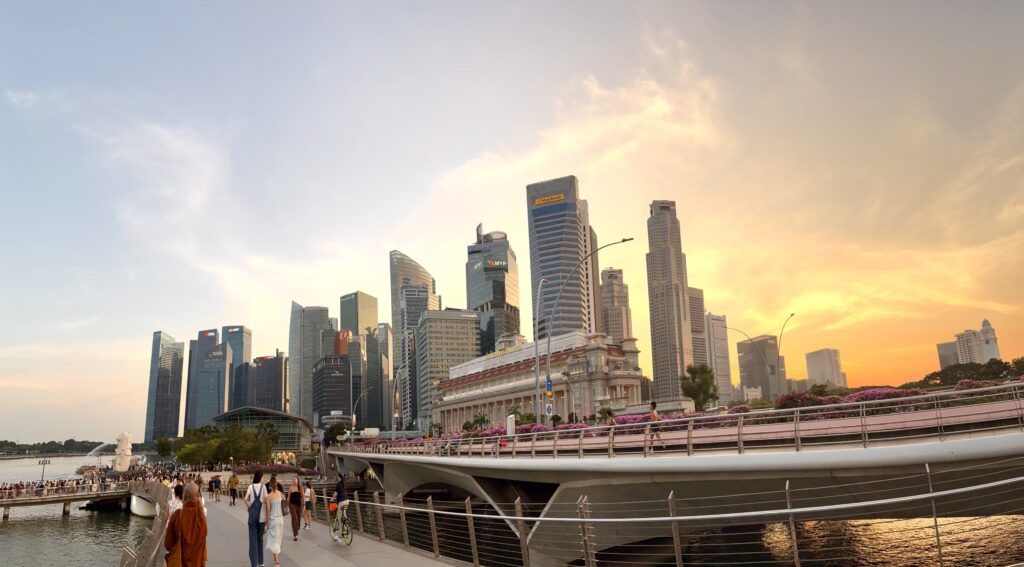
Singapore is a city that consistently exceeds expectations. Everyone arrives knowing it is clean, efficient, and modern. What they do not expect is the depth of its food culture, the genuine warmth of its neighbourhoods, the extraordinary natural spaces woven into its urban landscape, or the remarkable ease with which a visitor can simply arrive and start experiencing it.
Yes, it is hot. Yes, you will sweat through your clothes by 10 AM on an outdoor day. But Singapore has an ecosystem of hydration, snacks, cooling spaces, and shaded parks that make it perfectly manageable with the right preparation. The survival tips in this guide are not dramatic measures — they are the ordinary habits of people who have done the trip well.
Whether you are travelling solo, with a partner, or with an entire family of children in tow, Singapore delivers. It punches far above its size. And for most people who visit, three days in the Lion City is enough to make them certain they need to come back for more.
Found this guide helpful? Pin it, share it, or drop a comment below — I would love to hear about your Singapore experience. And if you have a question I have not answered, ask away!