Last Updated on October 16, 2026 by Roslin Dwivedi
We travelled on a couple’s ticket before welcoming our child in Seychelles, and after that our travelling habits changed a little. Now whenever we are planning a trip, we are on the lookout for family-friendly travel destinations. Though living in Seychelles became our lovely home, eventually, we moved to Southeast Asia, travelling to places like Mauritius, the Bahamas, and Bahrain before settling in Langkawi.
After settling in Langkawi, Malaysia, we discovered the joys of exploring Southeast Asia. On this blog I am sharing some of Southeast Asian countries and cities that are ideal for family travel. The immense greenery in this side of the world, welcoming people, clean localities, favourable currency (except Singapore), budget travel, delicious Asian food, ease of getting around and also the outdoor adventures abound for all ages, makes Southeast Asia a place worth visiting.
| Disclaimer, there are affiliate links in this blog. If you purchase from those links, you will be supporting this website. |

Singapore:
Our recent trip to Singapore left a lasting impression on us. For families, particularly those travelling from India, Singapore is one of the most accessible entry points to Southeast Asia. English is widely spoken, the city is impeccably clean, and it manages to be both relaxing and exhilarating.
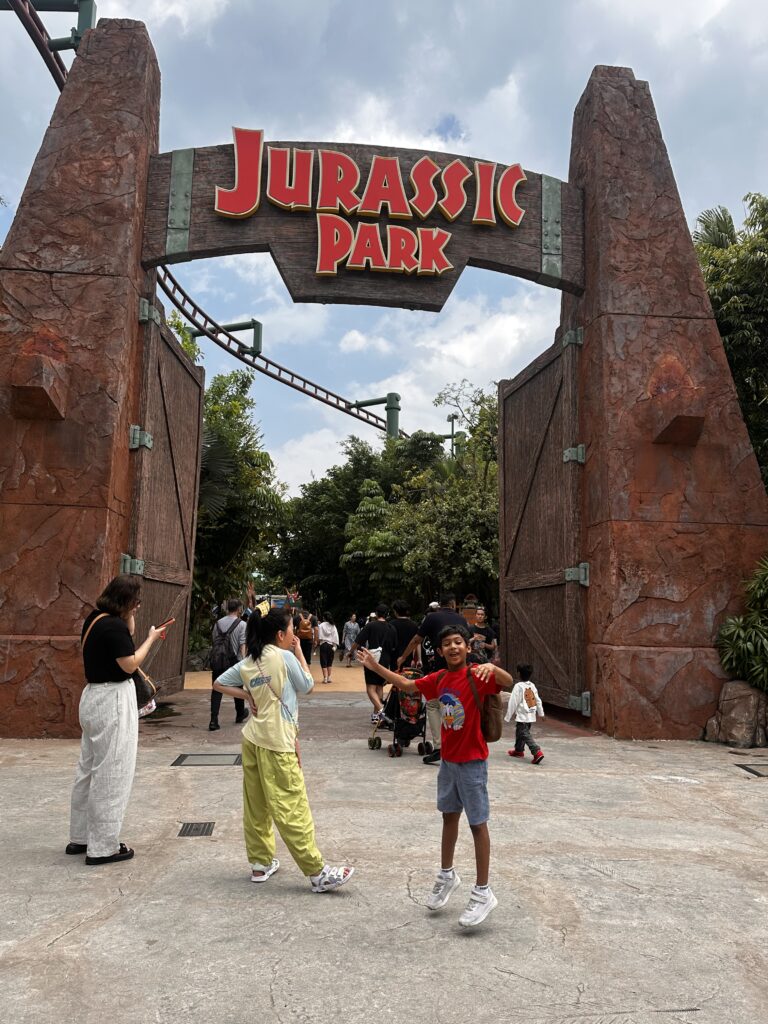
I would suggest not cramming many things to do in Singapore into one day. Explore everything slowly at your kids pace. Go on a slow walking tour to the iconic Arab Street, Haji Lane or the Marina Bay Sands area. Sentosa Island alone can take two full days, with cable cars, S.E.A. Aquarium, beautiful beaches, and the rides at Universal Studios Singapore. Gardens by the Bay, particularly the Cloud Forest, is one of those places where your nostalgia hits after seeing Jurassic Park theme set up. And flower lovers in your family would go crazy seeing the endless amazing flowers and plants display in the Flower Dome. So of course this place needs its own time to explore.
The food is great over here. Hawker centres in Singapore serve Chinese, Indonesian, and local Singaporean cuisine. The seating arrangements in these places are made for larger groups. For families travelling from India, can find delicious and familiar South Asian delicacies in Little India. We had dinner in one of the Indian restraints here and I must say the food was so good and our kids who can’t eat much spicy food could enjoy food there.
Getting around in Singapore is also easy. The MRT is stroller-friendly and stress-free, as long as you have a credit card or some small change handy.
One thing you must prepare for is for the Singapore’s hot weather and sudden rains. I’ve put together a complete Travel Guide for Singapore that covers everything from managing the heat to the best family-friendly areas to stay in Singapore.
Bali, Indonesia
If Singapore is the polished city break, Bali is its wild, spiritual counterpart, and families thrive here in a completely different way. Bali only requires an easy E-visa on arrival, which can be obtained from their official visa website, and the other is the Declaration form. Before arrival, fill out the Declaration form and keep the QR code printed and ready to show it to the officers at the disembarking gate.
The direct flight from many Indian metro cities has made this destination very accessible. At that time we were living in Langkawi and we went to Bali from Langkawi to Kuala Lumpur to Denpasar, Bali. Because we travelled directly from Malaysia to Indonesia, we didn’t have to buy a new SIM card; our Malaysian SIM card worked like a local SIM in Bali, and our Malaysian credit card also worked magic for us.
Another key point is that kids are genuinely loved and welcomed in Bali. Everywhere, the people were smiling and welcoming them. These kinds of special treatments make the kids happy and content.
Also, Bali has many affordable villas with private pools, and kids love this set-up in tropical places. Bali also has beautiful beaches, and who doesn’t like to get sandy at the beach?
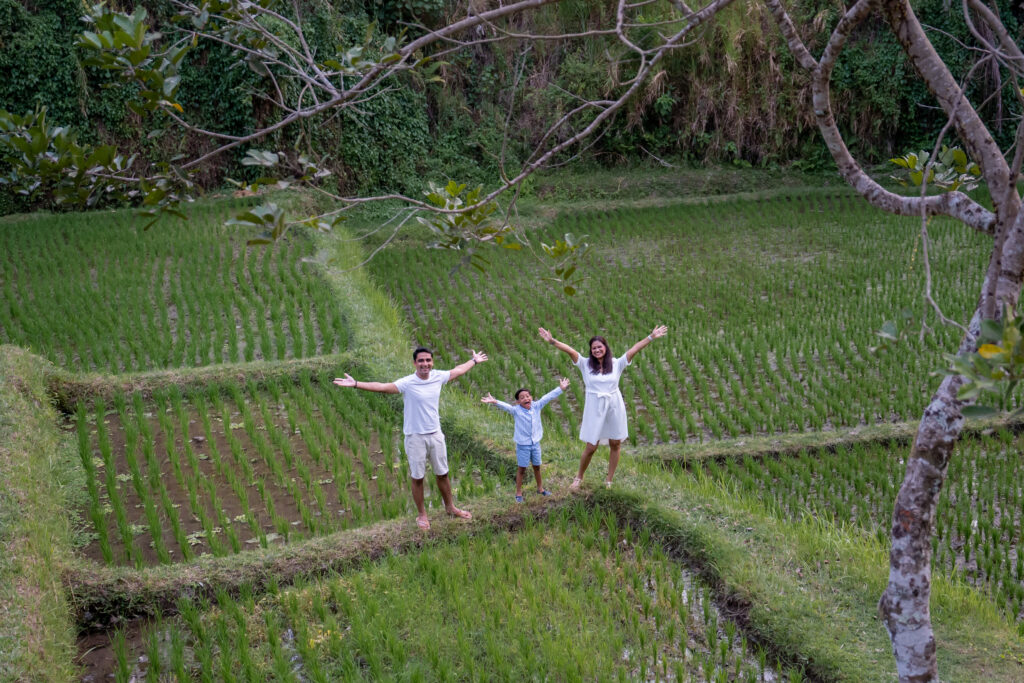
Bali has a natural rhythm to its days that is great for family travel. Spend your mornings relaxing at the resort; visit sites such as rice terraces, coffee plantations, or temples; unwind by the pool in the afternoon; and dine at a beachfront restaurant in the evening. Alternatively, take the children to Uluwatu to witness the Kecak Fire Dance at sunset, or treat them to local dance performances held at the resort or the Ubud Palace. Here, everything unfolds in a very serene and exquisite manner.
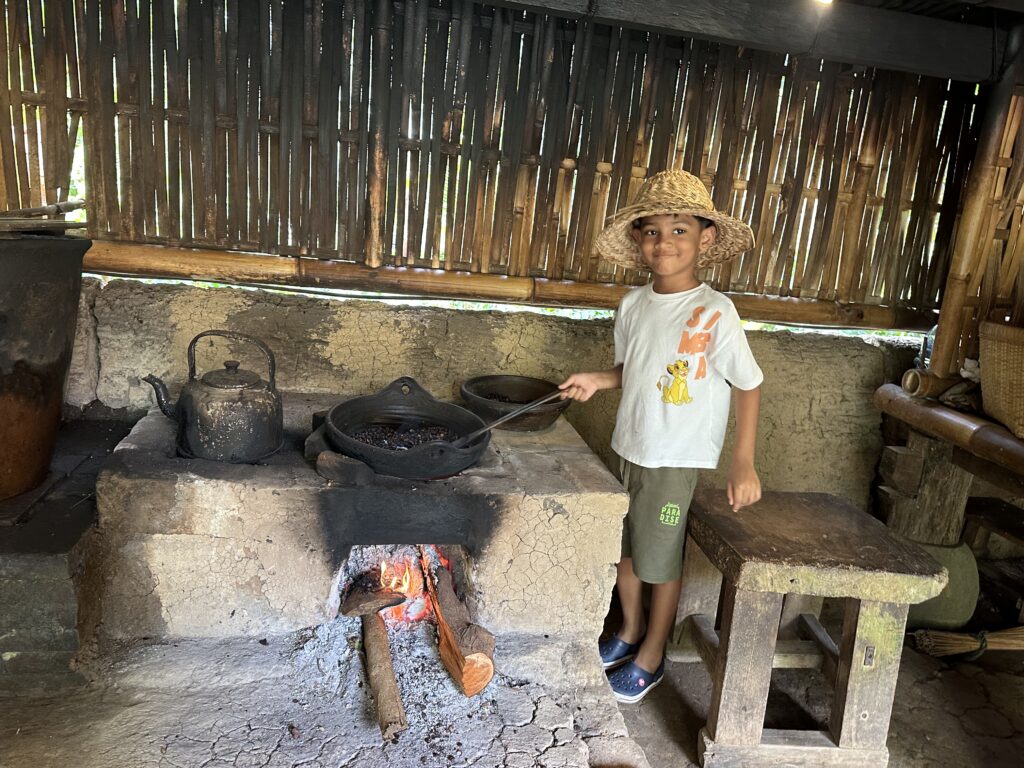
Our visit to the Tirtha Empul temple was a unique experience for our 6 years old son. And the Luwak coffee farm became a wonderful tour. Watching the process unfold, the kids began to understand why their parents are so devoted to their morning coffee. The Luwak coffee farm is made for an engaging afternoon.
For more active families, Bali has plenty to offer: white-water rafting on the Ayung River, cycling through the villages around Ubud, and surf lessons in Seminyak are all accessible with children. The GWK Cultural Park — with its 121-metre statue rising dramatically above the clifftops is a brilliant introduction to Hindu mythology for young minds.
Penang, Malaysia:
Penang wins your heart slowly through its food, heritage, and beautiful streets.
For families who love to eat, this island is transformative. The hawker stalls along Gurney Drive and at the Esplanade serve some of the finest char kway teow, assam laksa, and rojak in all of Malaysia. Eating your way through Penang is, in itself, a cultural education — the Chinese, Malay, and Indian influences on the food are a living map of the island’s extraordinary history.
Food options in Langkawi was good but Penang, especially George town felt like abundance, Michelin-quality Italian, authentic Indian, and traditional Malay were all within a short walk of each other.
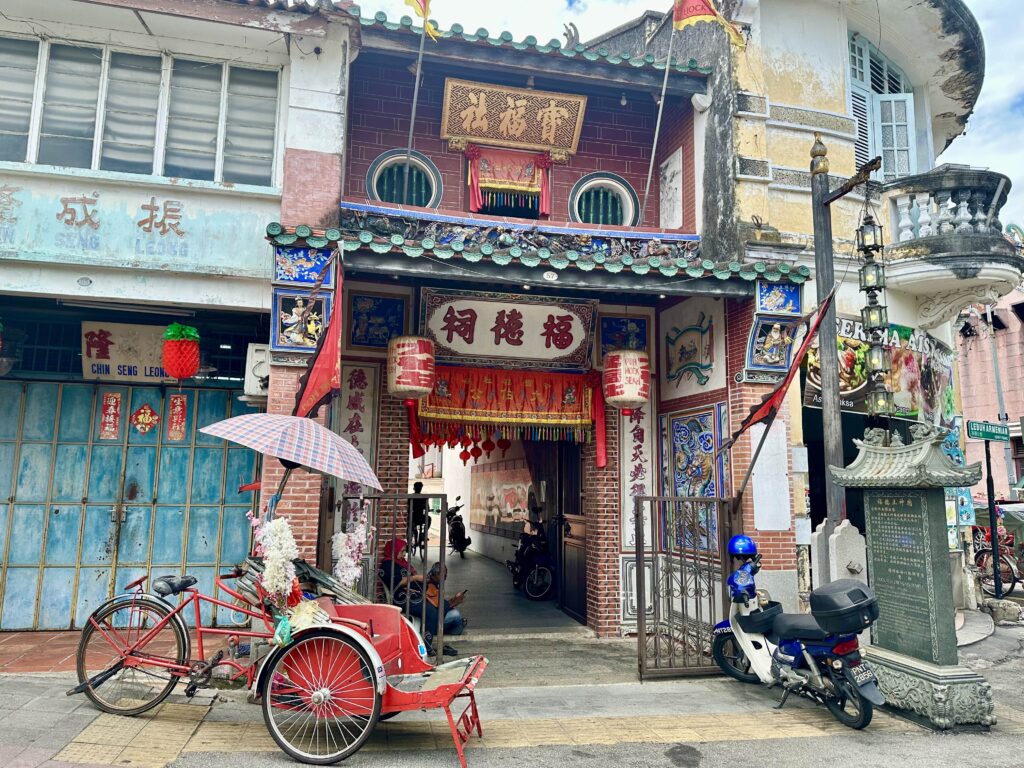
George Town is Penang’s UNESCO-listed and a wonderful old city. The British-era architecture has been beautifully maintained, and walking those streets feels like stepping into another era. The street art murals by Ernest Zacharevic turn the neighbourhood into a treasure hunt. Children love searching for each one, and the photos are endlessly fun. Tech Dome in Penang is another place where you must take your kids. their drone shows, science experiments are a great way to learn and have fun both.
The Blue Mansion, the Peranakan houses, the clan jetties, and the colourful temples round out a rich, immersive half-day. For a slower pace, the beaches at Batu Feringghi are relaxed and well-suited to younger children, while the Penang Hill funicular offers sweeping views without the climb.
Kuala Lumpur, and other parts of Malaysia:
Malaysia earns its place on this list not for a single standout experience, but for sheer variety. In the space of a few days, you can move from a glittering modern city to an ancient rainforest to a peaceful beach island.
Kuala Lumpur is an excellent family base. A day trip to the Petronas Twin Towers and Batu caves where the colourful stairs become surreal and thrilling for children. And other attractions like KL Bird Park, KLCC Aquaria can keep a family busy for several days in Kuala Lumpur. The city’s food scene is exceptional, and the enormous, air-conditioned shopping malls are a lifeline on hot afternoons. KL also has a wonderful range of indoor children’s play and learning spaces, which parents will appreciate, and children will want to revisit every day.
Kuala Lumpur’s shopping places are great for parents to buy luxury items in affordable prices.
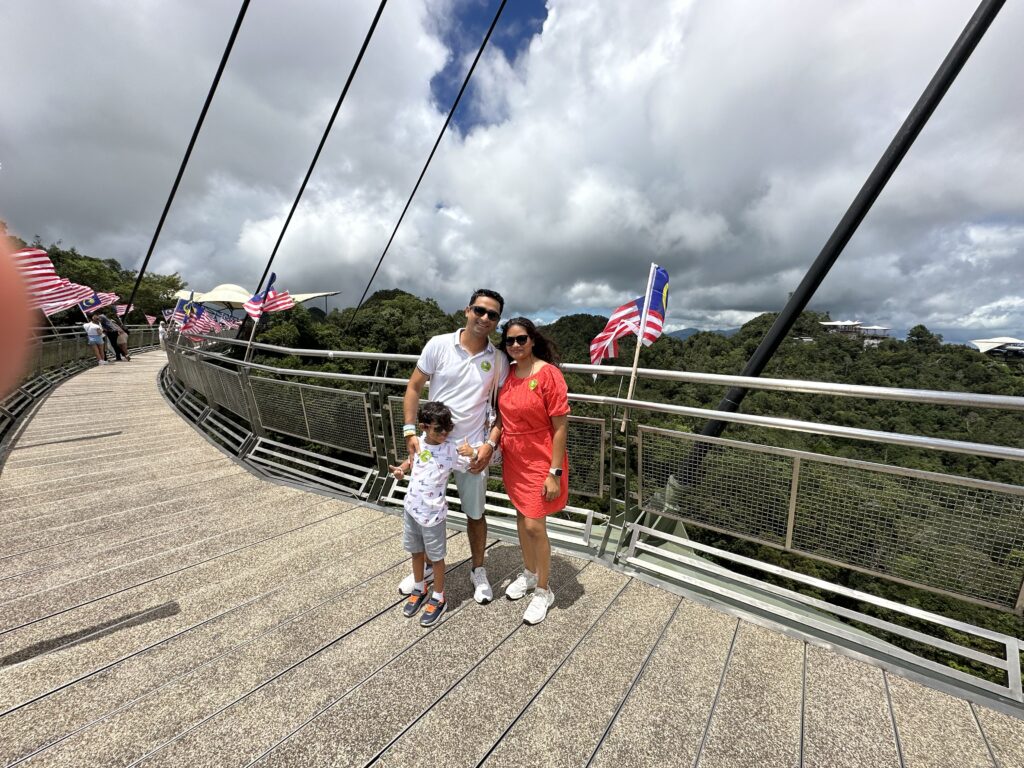
Beyond the city, Malaysia’s natural landscapes are extraordinary. Kinabalu National Park in Sabah, the orang-utan sanctuaries of Borneo, and the rolling tea plantations of the Cameron Highlands are a few experiences that stay with children for long after the trip. For beach holidays, the Perhentian Islands and Langkawi offer clear water, laid-back resorts, and offers a slow holiday for families. Places like Langkawi skybridge cable car, Underwater world Langkawi, Wildlife park, Fun4kidz, Cenang Beach and splash out water park are some of the great options for kids to stay entertained.
Thailand:
Thailand consistently earns its reputation as one of the best family travel destinations in the world. All because it is safe, budget-friendly, and packed with exciting experiences for children and parents equally.
Bangkok is the natural starting point. Feeding giraffes at Safari World, exploring a floating market by longtail boat, and taking a Chao Phraya river cruise past the Grand Palace are some effortless activities that stay in the memory. The energy of the city is infectious, and children tend to love this too.
Chiang Mai is where Thailand’s relaxed beauty lies. Visiting an ethical elephant sanctuary. Elephant Nature Park and rescue centre is one of the rare travel experiences and is well-regarded. Watching children connect with rescued elephants in a responsible, calm setting is extraordinary. Chiang Mai is a great place for all ages. Its layered ancient temples, jungle ziplining, and lantern-lit evenings are noticeable.
The islands are where you come to exhale. Kata Beach in Phuket and Ao Nang in Krabi offer calm, shallow waters perfect for young swimmers, with easy day trips to nearby islands for snorkelling. Ramayana Water Park in Pattaya is among the best in Asia, and a brilliant afternoon for the whole family. In Phuket, the Upside Down House, Baan Teelanka, is wonderfully silly and makes for a brilliant afternoon laughter.
A few practical tips: November to February is the sweet spot for weather. Use tuk-tuks for short, fun hops around the city, and pre-booked cars for longer distances. And always look for resorts with pools and kids’ clubs. They are your afternoon sanity place.
We visited Thailand before our son was born, and it holds a very special place for us. Someday, we’ll take him, and I already know he will love every moment of it.
Conclusion
If Southeast Asia is new territory for your family, start with Singapore. It is the most forgiving entry point. It’s familiar enough to feel comfortable, exciting enough to feel like an adventure. From there, let the region unfold naturally. Bali for soul and wide-eyed wonder, Penang for food and cultural depth, Malaysia for variety and nature and Thailand for thrills and warmth.
Each of these destinations has given our family something different. That is the quiet magic of Southeast Asia and there is always another reason to come back.
Pin it for later!